
A Defining Learning Milestone: My CUA Journey with HFI
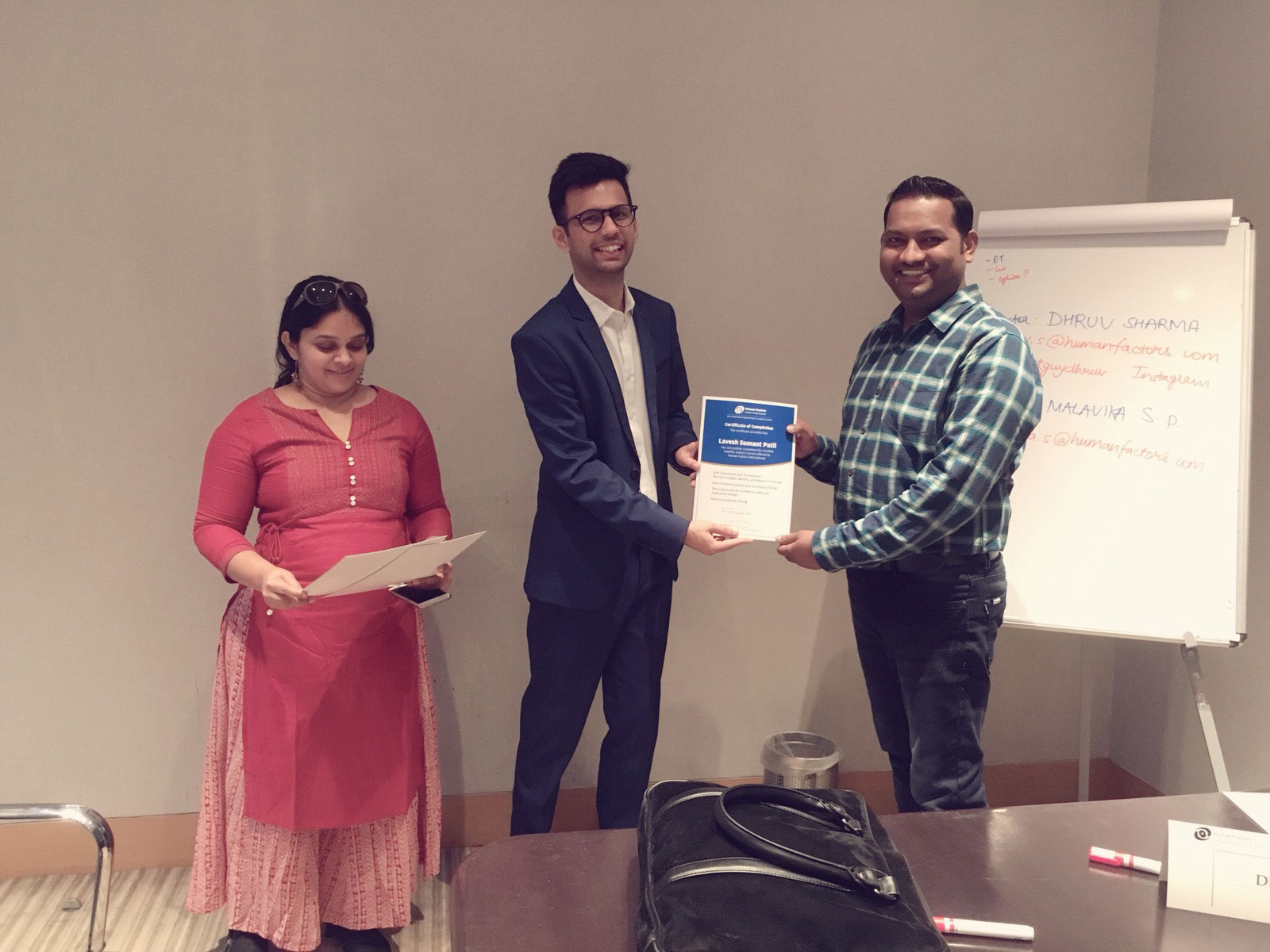
In October 2017, I had the opportunity to participate in the Certified Usability Analyst (CUA) program by Human Factors International (HFI)—an intensive, two-week, full-time professional program designed to strengthen UX capability through science-backed frameworks and hands-on practice.
The program was sponsored by Silicus Technologies, reflecting the organisation’s commitment to building deep UX maturity and investing in structured, globally recognised design education.
This experience remains a meaningful milestone in my professional journey—one that strengthened my design foundations and sharpened my ability to connect user experience decisions with measurable business outcomes.
Why the CUA Program Mattered
By 2017, I was actively working across UI and UX initiatives, delivering real-world products and platforms. What I sought next was formal, evidence-driven grounding—a way to articulate design decisions with clarity, confidence, and credibility.
The CUA program delivered exactly that:
- A scientific lens on usability and human behaviour
- Proven UX models used globally across enterprises
- Practical techniques that scale beyond individual intuition
Course Overview: What the CUA Program Covered
The two-week, full-time structure was immersive and demanding, combining theory, discussion, collaborative exercises, and practical application. Below are the core areas covered during the program:
A. The Science & Art of Effective Web and Application Design
This module established the foundation of usability by blending:
- Cognitive psychology
- Human perception and attention
- Interaction behaviour patterns
Design was approached not just as visual craft, but as performance engineering for users—optimising clarity, efficiency, and error reduction across digital interfaces.
B. UX Foundations: Core Principles, Insights & Research Models
A deep dive into:
- Foundational UX principles
- Established usability heuristics
- Research-backed mental models and frameworks
This section grounds everyday design decisions in decades of usability research, enabling consistency and defensibility in UX recommendations.
C. User-Centred Analysis & Conceptual Design
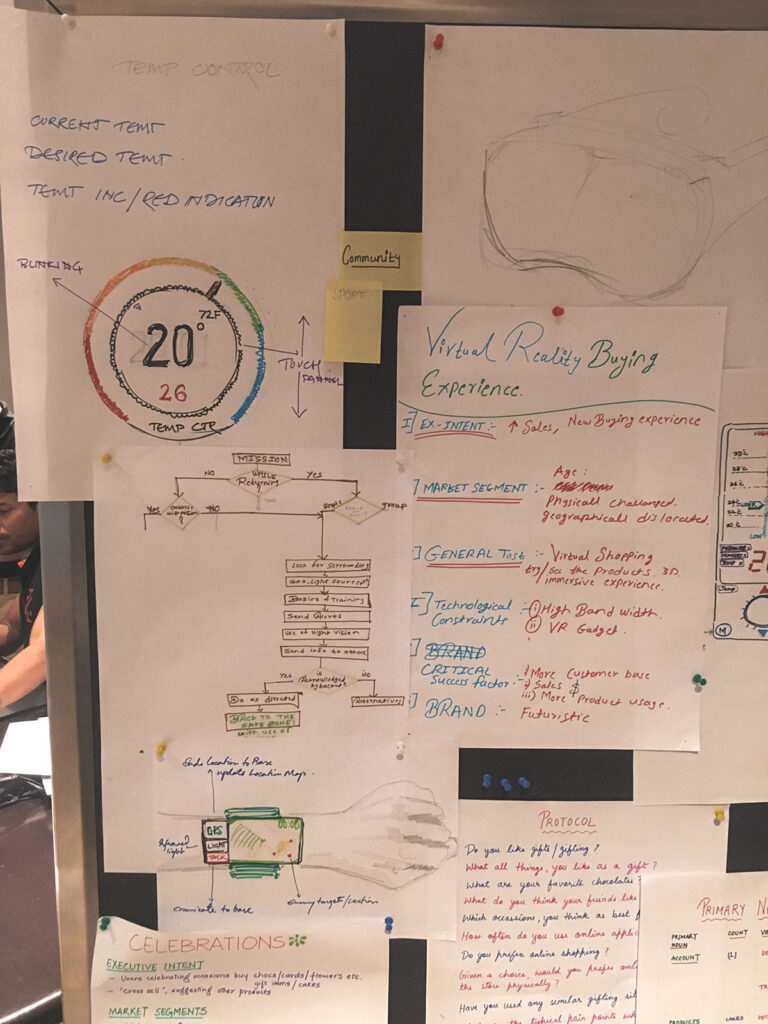
One of the most hands-on and impactful parts of the course, this module focused on:
- Understanding user goals and contexts
- Task analysis and workflow mapping
- Conceptual design models before visual execution
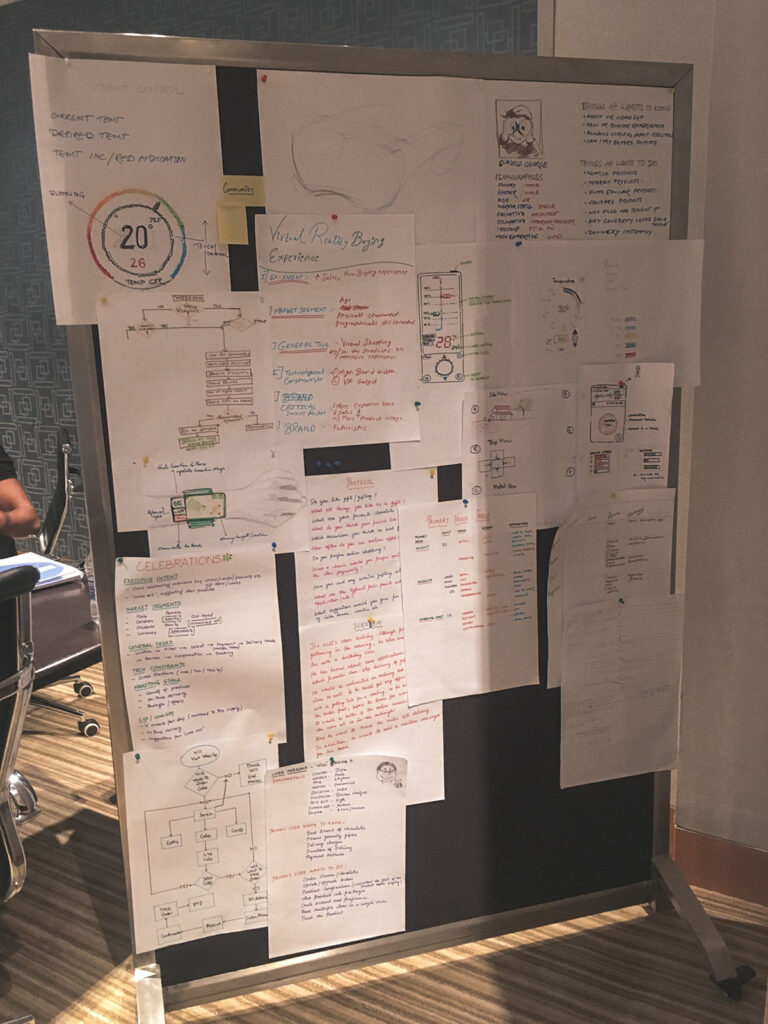
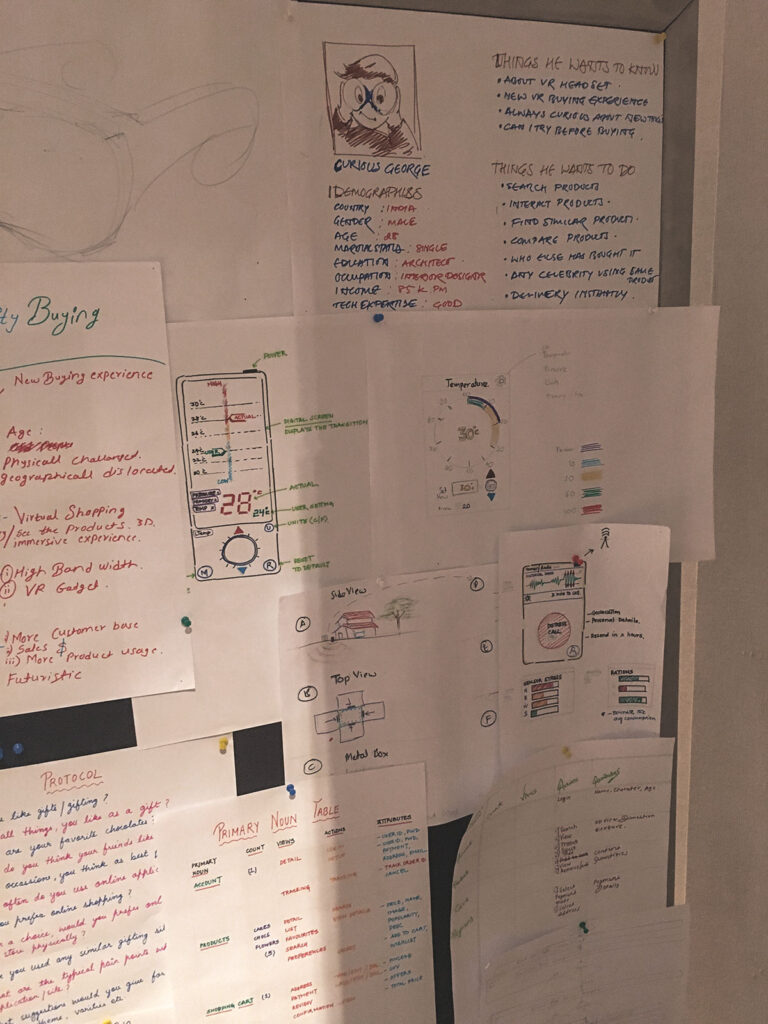
The whiteboard sketches, flows, and system diagrams seen in the session images reflect this phase—where structure and logic precede screens.
D. Practical Usability Testing
This segment translated theory into action through:
- Planning and conducting usability tests
- Identifying usability issues by severity
- Observing real user behaviour versus assumptions
- Translating findings into design improvements
The emphasis was on objective evaluation, reinforcing usability testing as a continuous decision-making tool rather than a validation checkbox.
E. Business Value & ROI of UX
A critical and differentiating component of the CUA program was its focus on business impact:
- Linking usability improvements to revenue, adoption, and efficiency
- Reducing support costs and operational friction
- Framing UX outcomes in executive and stakeholder language
This module strengthened the ability to position UX as a strategic business investment, not merely a design function.
Collaborative Learning Environment
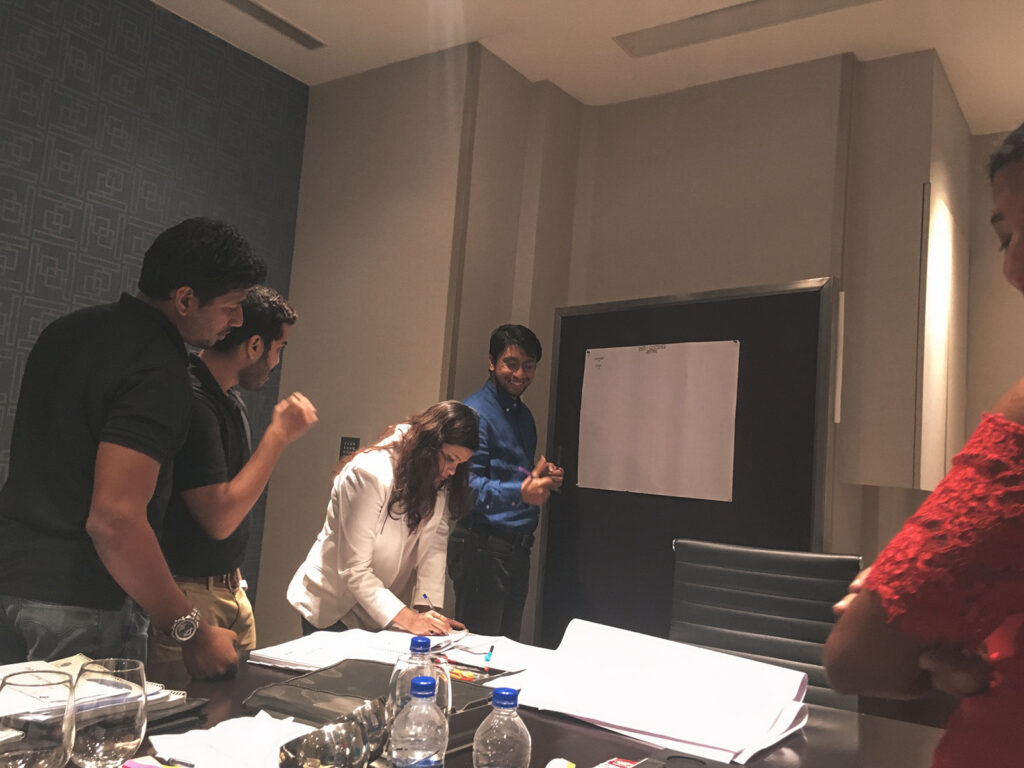
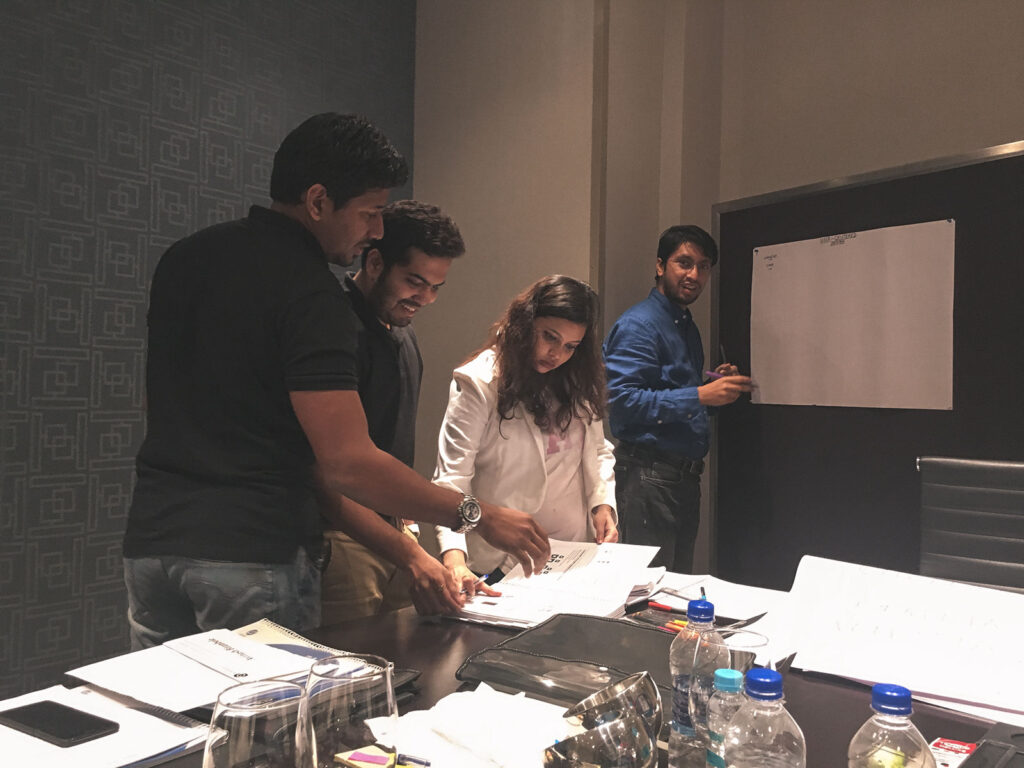
The program brought together professionals from diverse backgrounds—designers, engineers, architects, product thinkers, and business leaders. Group exercises, discussions, and critiques created a rich peer-learning environment, where different perspectives sharpened problem-solving approaches.
The images from the sessions—walls filled with sketches, models, and frameworks—capture the intensity and seriousness of the learning process.
Certification & Shared Achievement
The final certification ceremony marked more than course completion. It represented:
- Mastery of globally recognised usability frameworks
- A shared commitment to human-centred design excellence
- Confidence in applying usability principles at scale
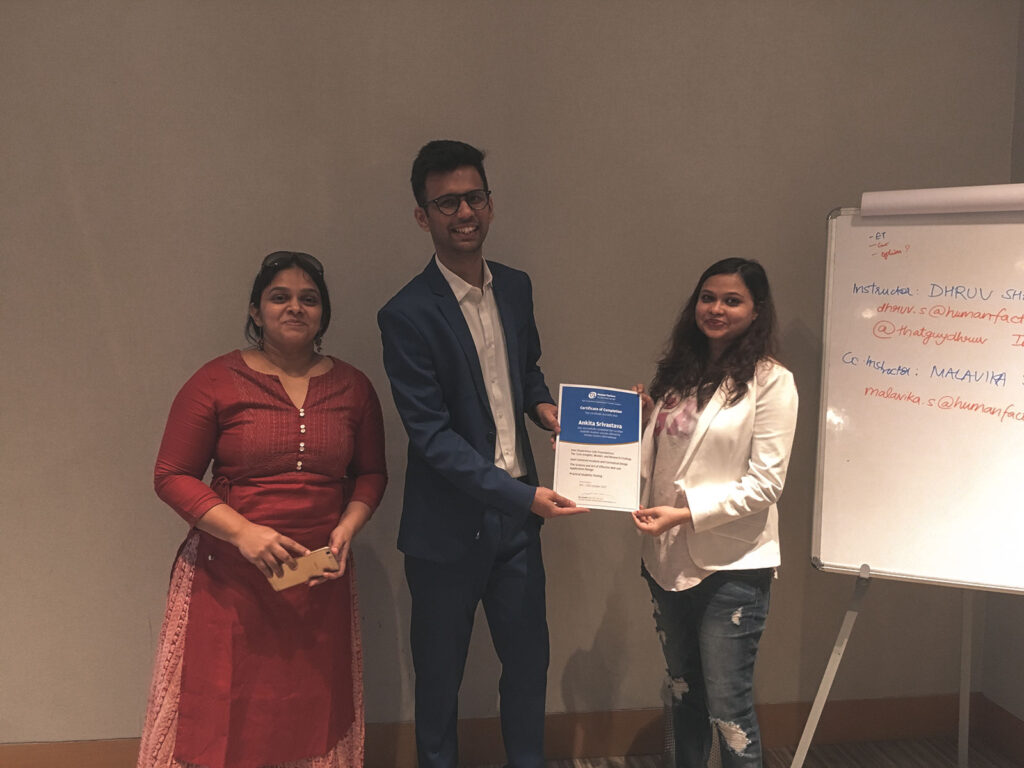
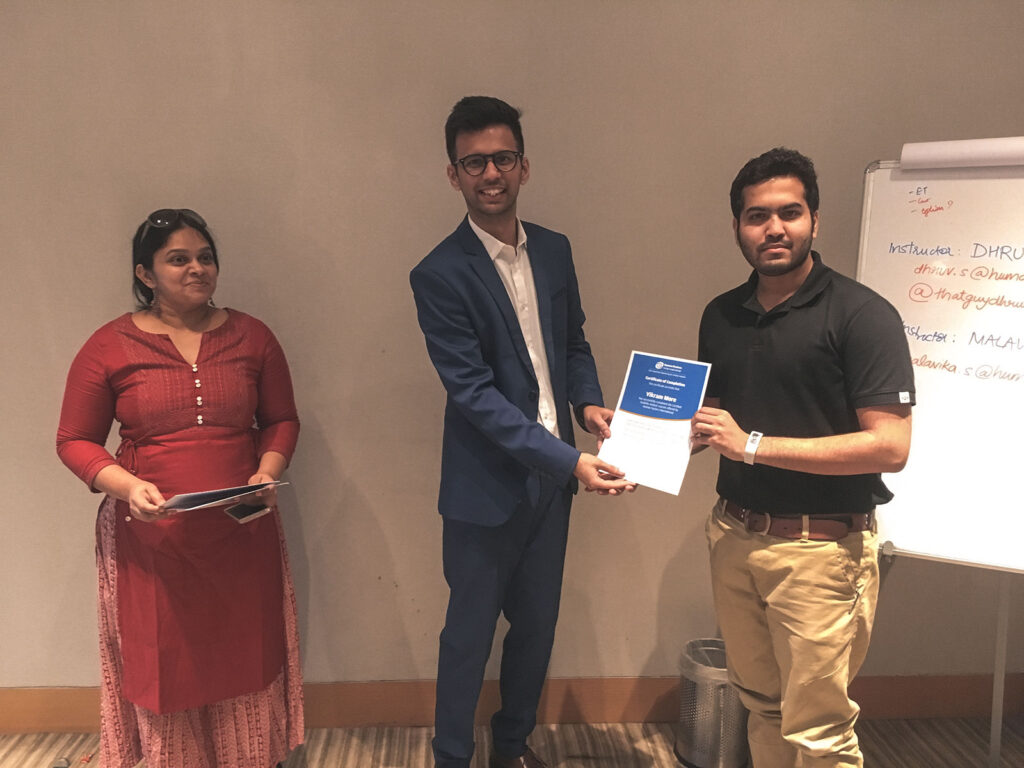
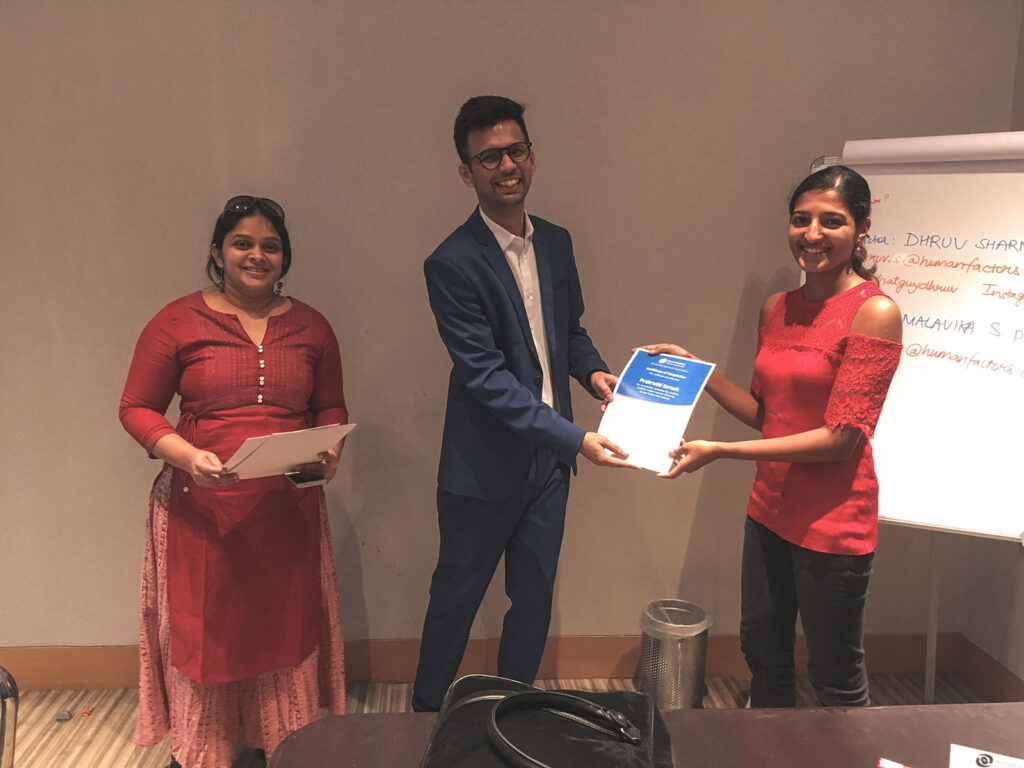
The group photographs and certificate moments reflect both individual accomplishment and collective growth.
Silicus Technologies’ Role in This Journey
Silicus Technologies’ sponsorship was a strong signal of organisational maturity—recognising that great digital products require strong UX foundations. By enabling participation in the CUA program, Silicus reinforced a culture that values structured learning, global standards, and long-term capability building.
Lasting Impact on My UX Practice
The CUA program continues to influence how I work:
- Designing systems, not just interfaces
- Backing design decisions with research and data
- Communicating UX value in business terms
- Approaching usability as a continuous discipline
Even years later, the principles learned during these two weeks remain embedded in my approach to complex, enterprise-scale UX challenges.
Closing Reflection
The HFI Certified Usability Analyst program (Oct 2017) was a concentrated, high-impact learning experience—one that strengthened my UX foundations and elevated my professional practice. Supported by Silicus Technologies, this journey reinforced an enduring belief: when UX is grounded in science and aligned with business value, it becomes a true competitive advantage.
This experience stands as a proud chapter in my ongoing commitment to human-centered, outcome-driven design.