
Standing Where History Refused to Back Down
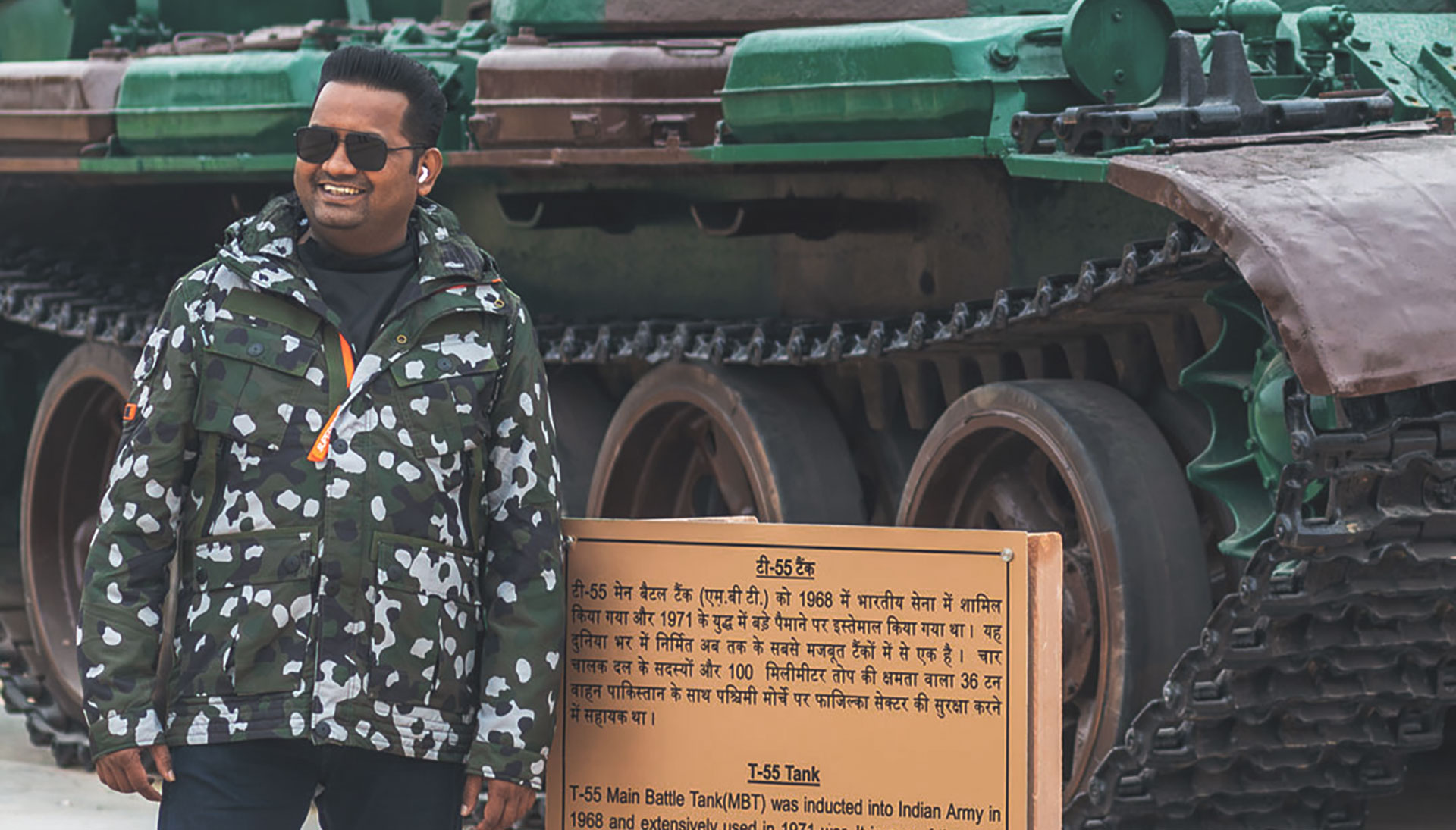
A visit to the Longewala War Memorial, Rajasthan.
Some places don’t just tell stories.
They stand silently and let history speak for itself.
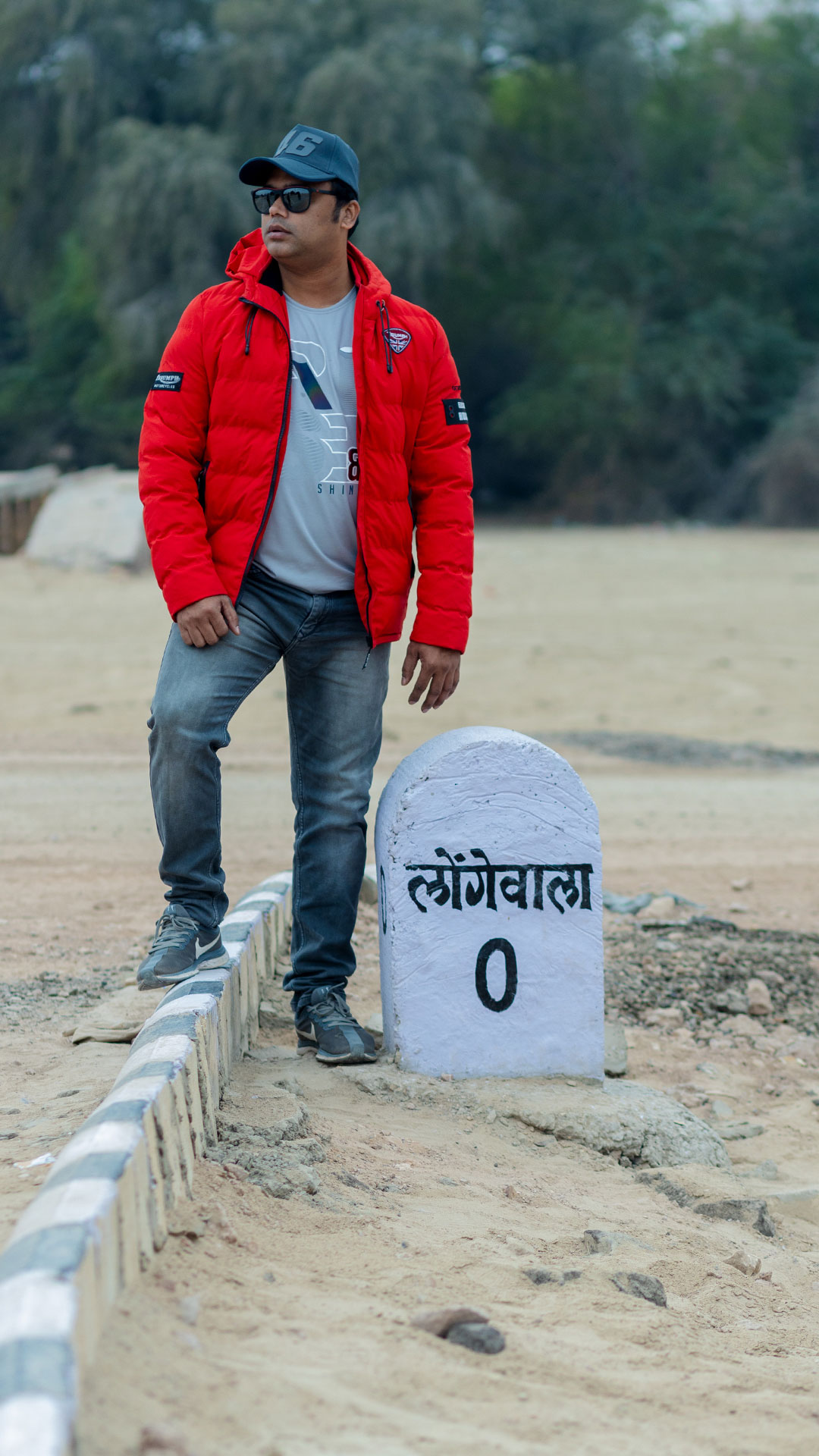
Our visit to Longewala War Memorial was one such moment—raw, humbling, and deeply moving. Set deep inside the Thar Desert, close to the Indo-Pak border, this memorial doesn’t overwhelm you with grandeur. Instead, it grips you with truth.
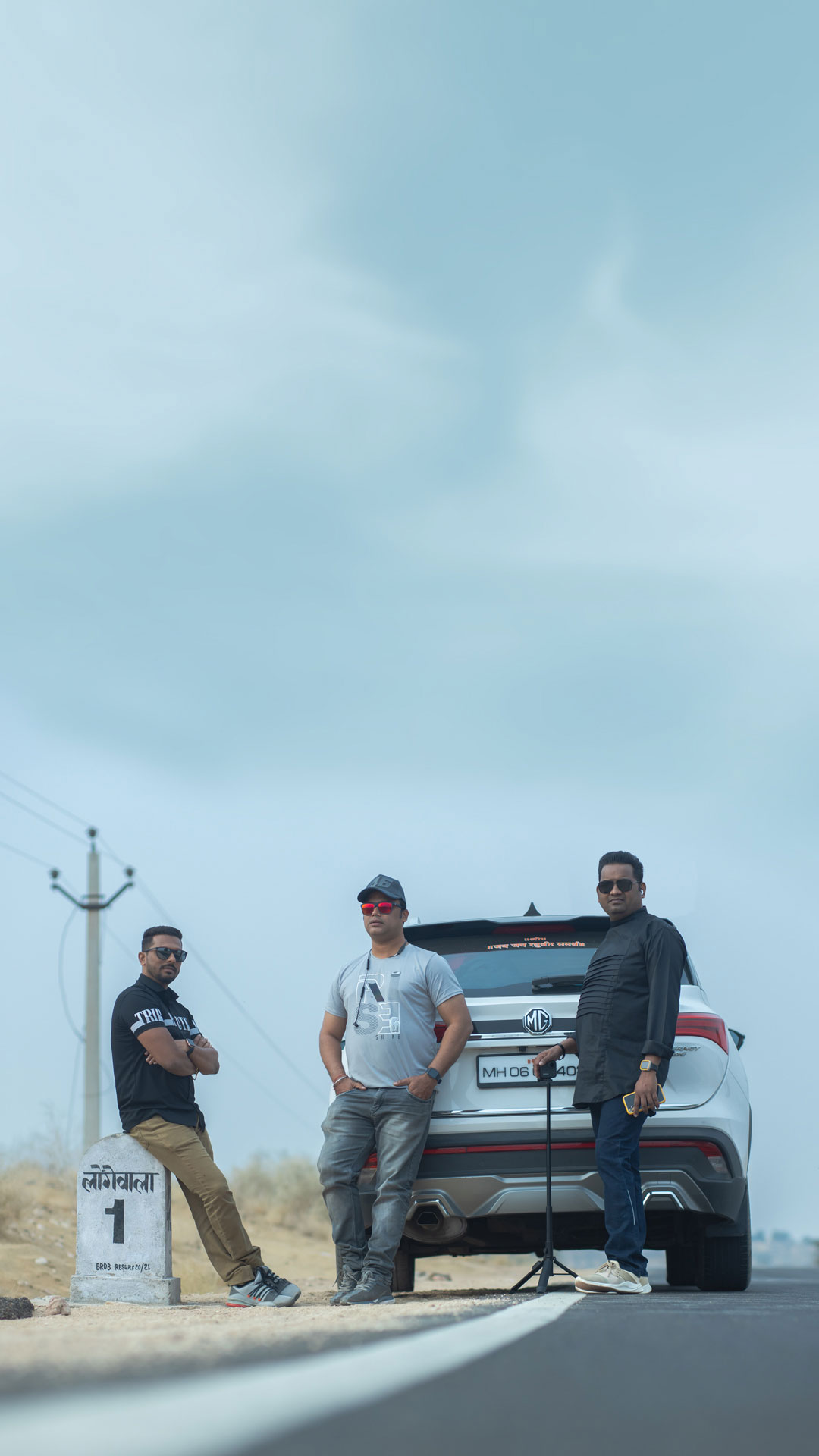
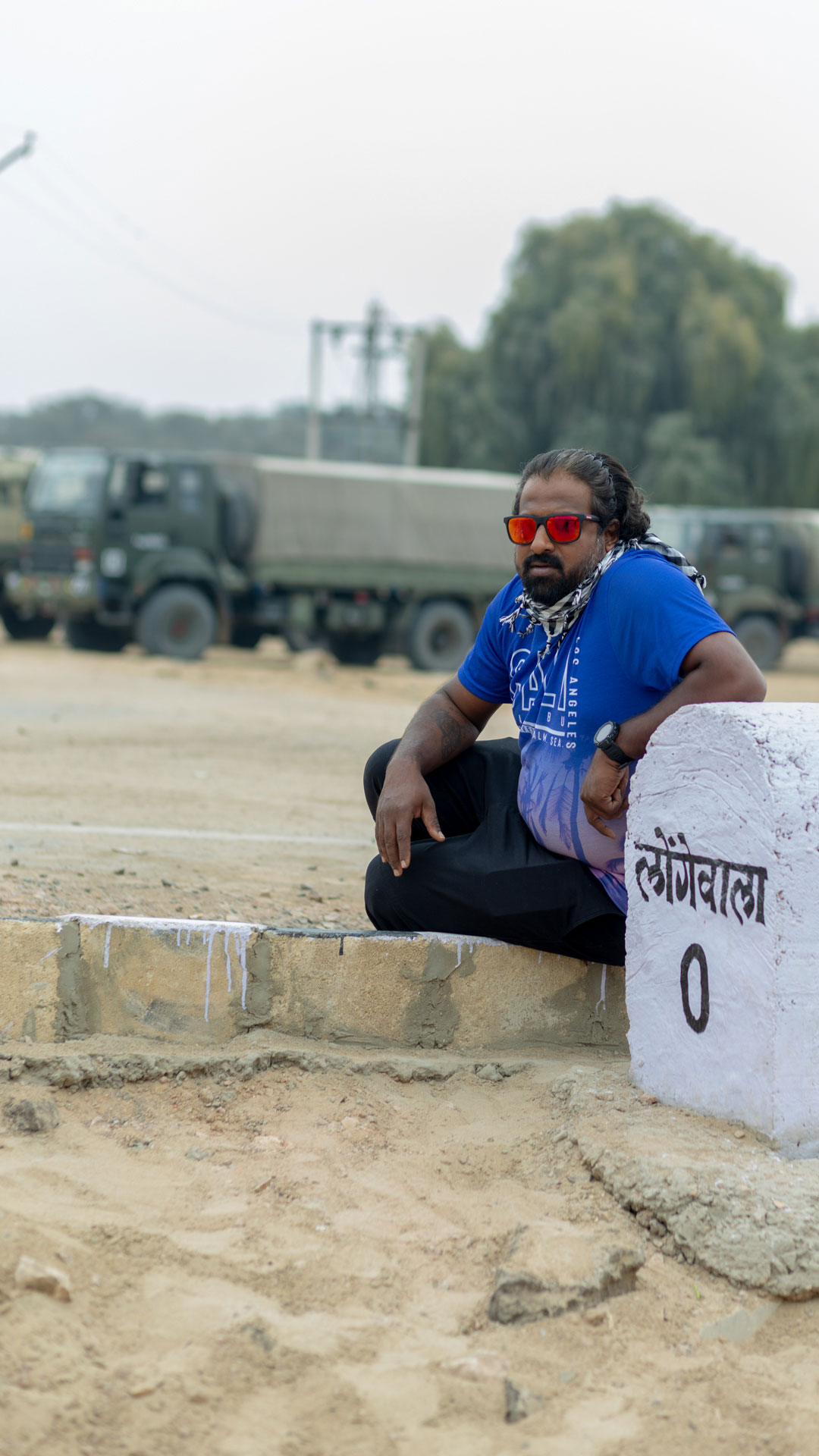
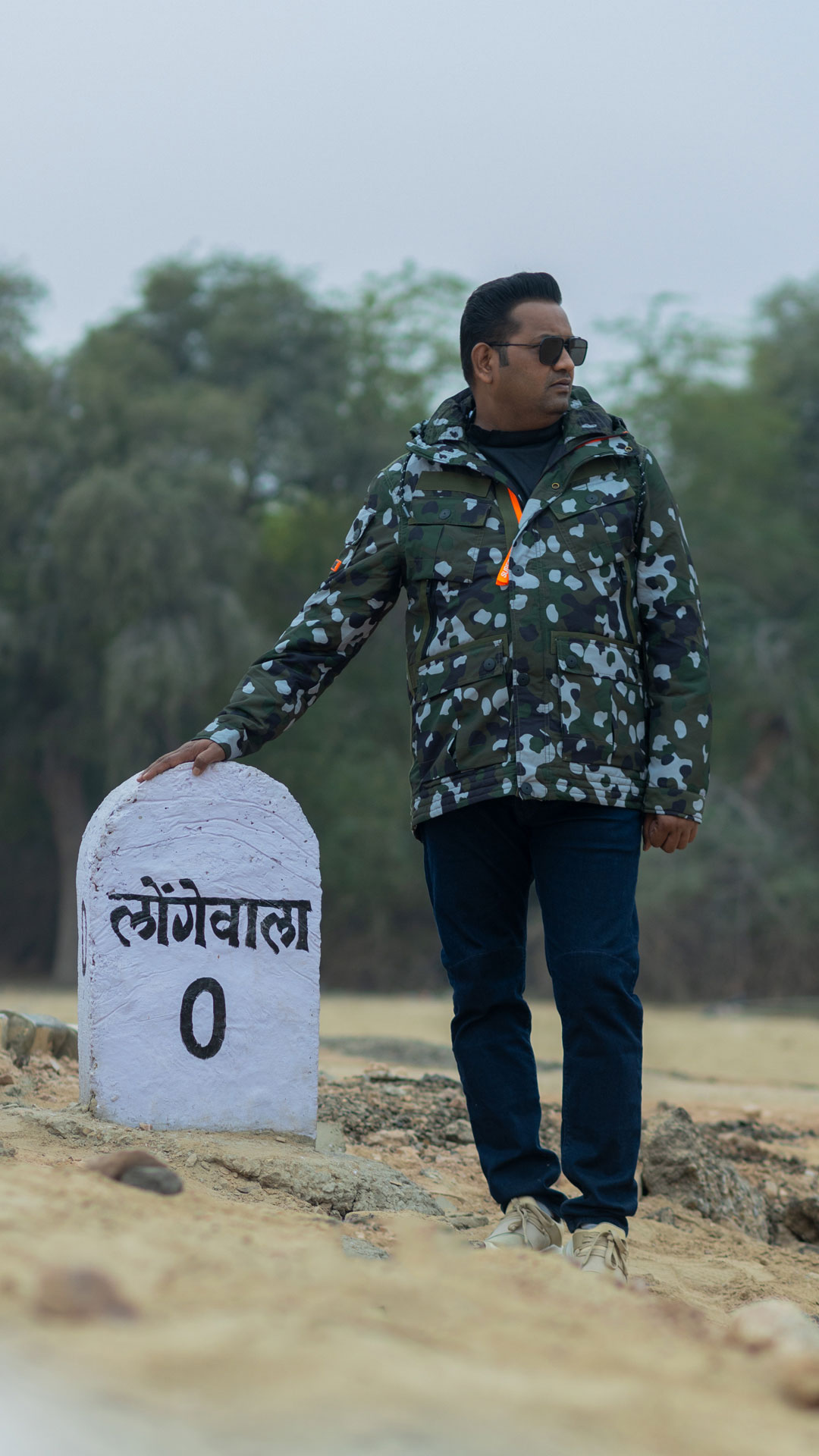
As we walked through the open desert stretch with my friends, the silence felt heavier than words. This wasn’t just a road trip stop. This was a reminder of the courage that shaped a nation.
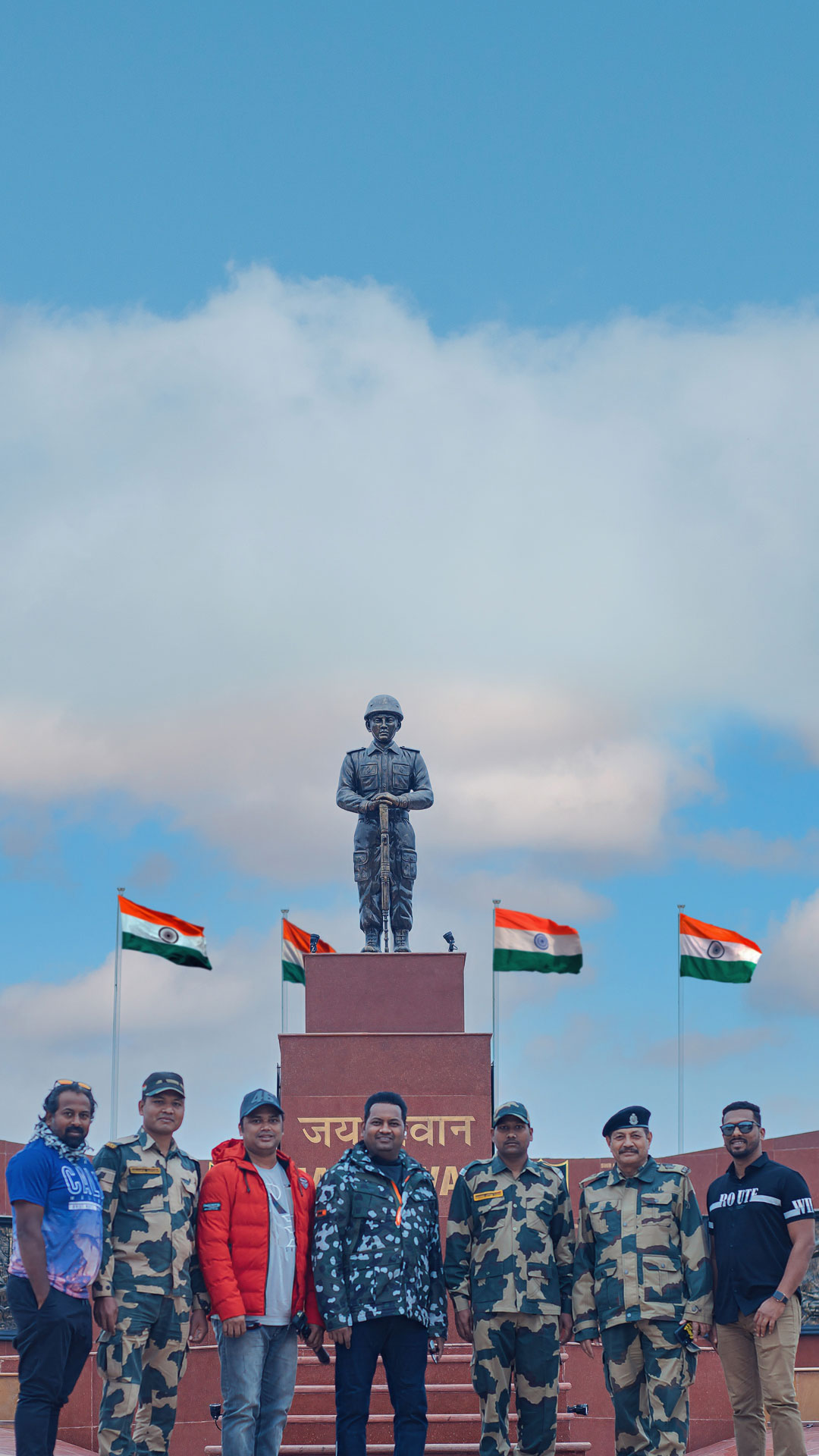
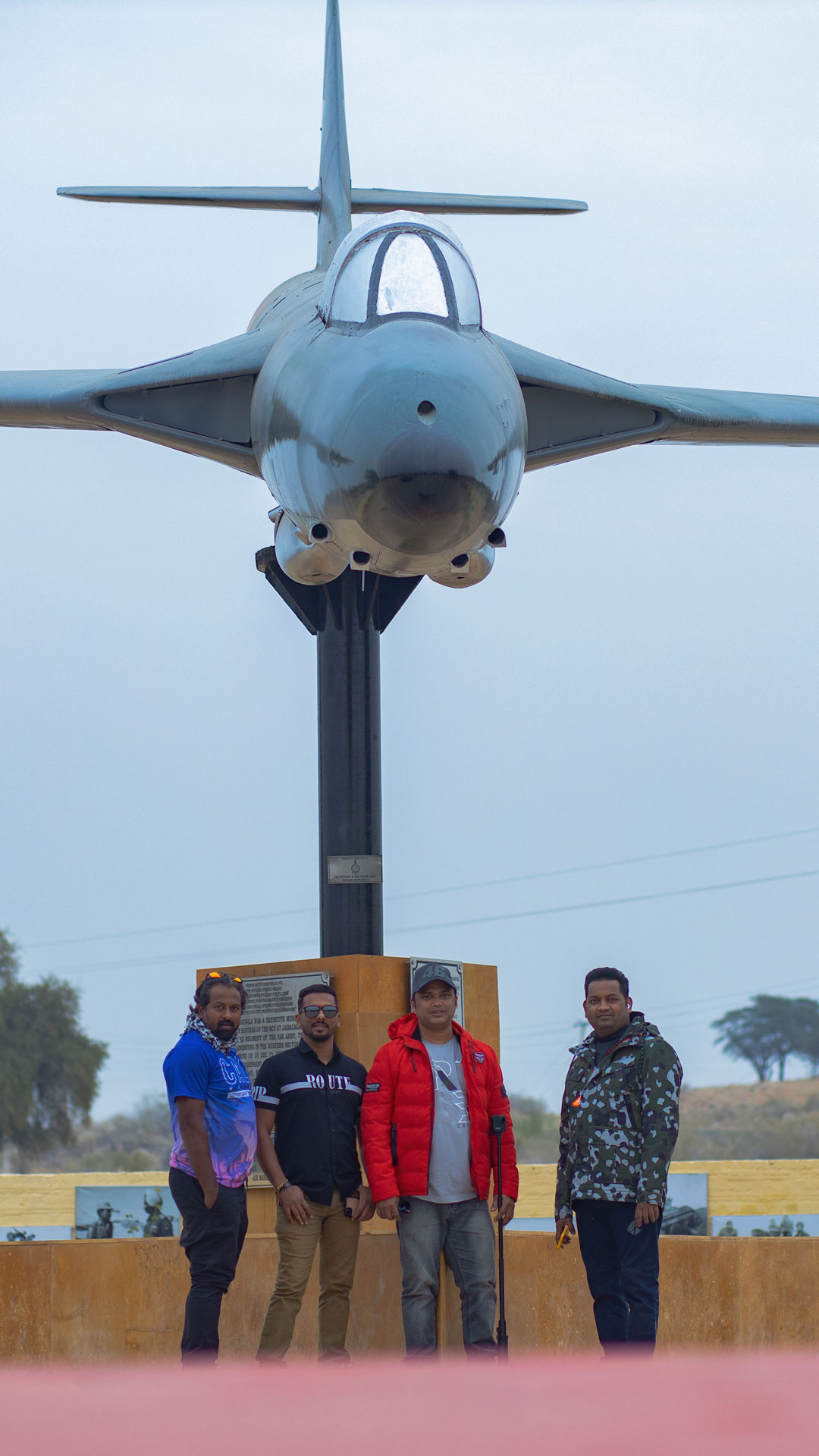
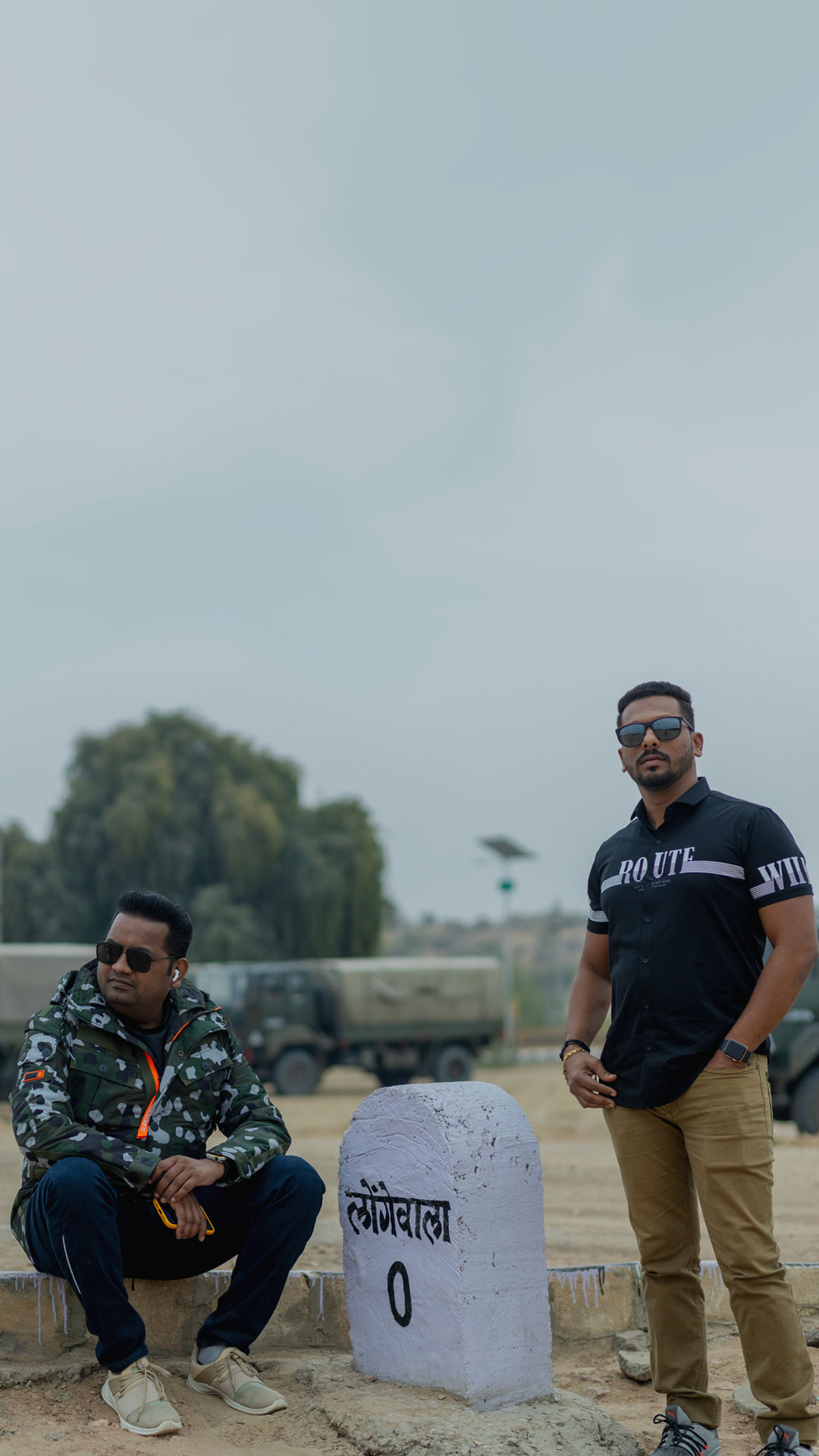
Where 120 Soldiers Stood Tall Against History
The memorial stands on the very ground where the legendary Battle of Longewala unfolded during the 1971 Indo-Pakistani War.
Imagine this:
- 120 Indian soldiers
- Facing over 2,000 enemy troops
- Backed by 45 enemy tanks
- In the dead of night
- With no immediate air support
Led by Brigadier Kuldip Singh Chandpuri, the Indian company chose to hold its ground rather than retreat. Through tactical brilliance, grit, and sheer belief, they defended Longewala through the night—until dawn brought the roar of the Indian Air Force.
Standing there today, it’s hard not to pause and wonder:
What does courage really look like when retreat seems easier?
The “Border” Movie… and the Reality Beyond the Screen
For many of us, Longewala first entered our imagination through the iconic Bollywood film Border, where Sunny Deol portrayed Chandpuri’s role with unforgettable intensity.
But here’s the truth:
The real story is even more powerful than the film.
At the memorial, facts replace fiction—strategy replaces drama—and sacrifice replaces dialogue. The desert itself becomes the narrator.
The Tank Graveyard: Steel Frozen in Defeat
One of the most striking sights is the Pakistani Tank Graveyard.
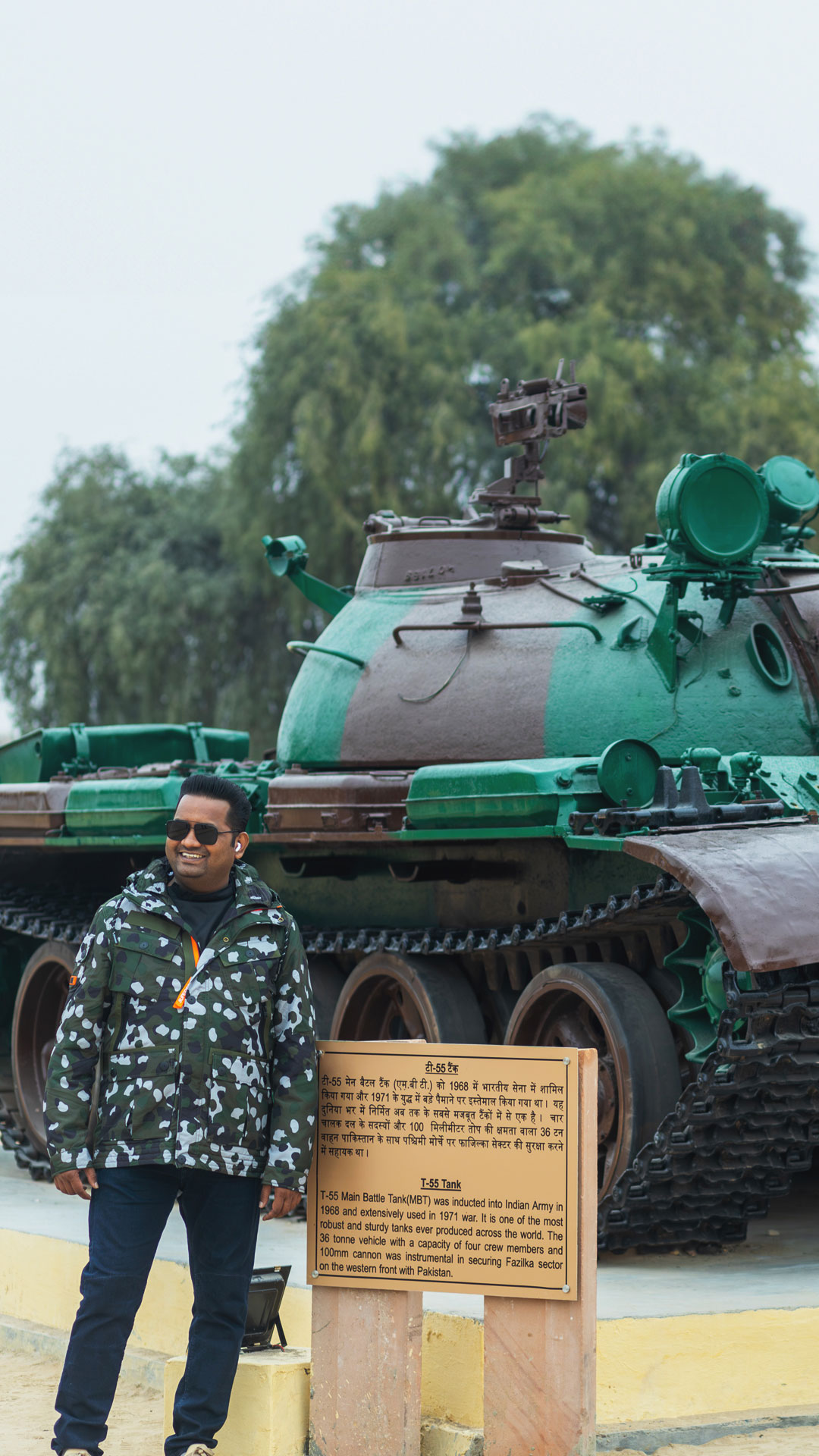
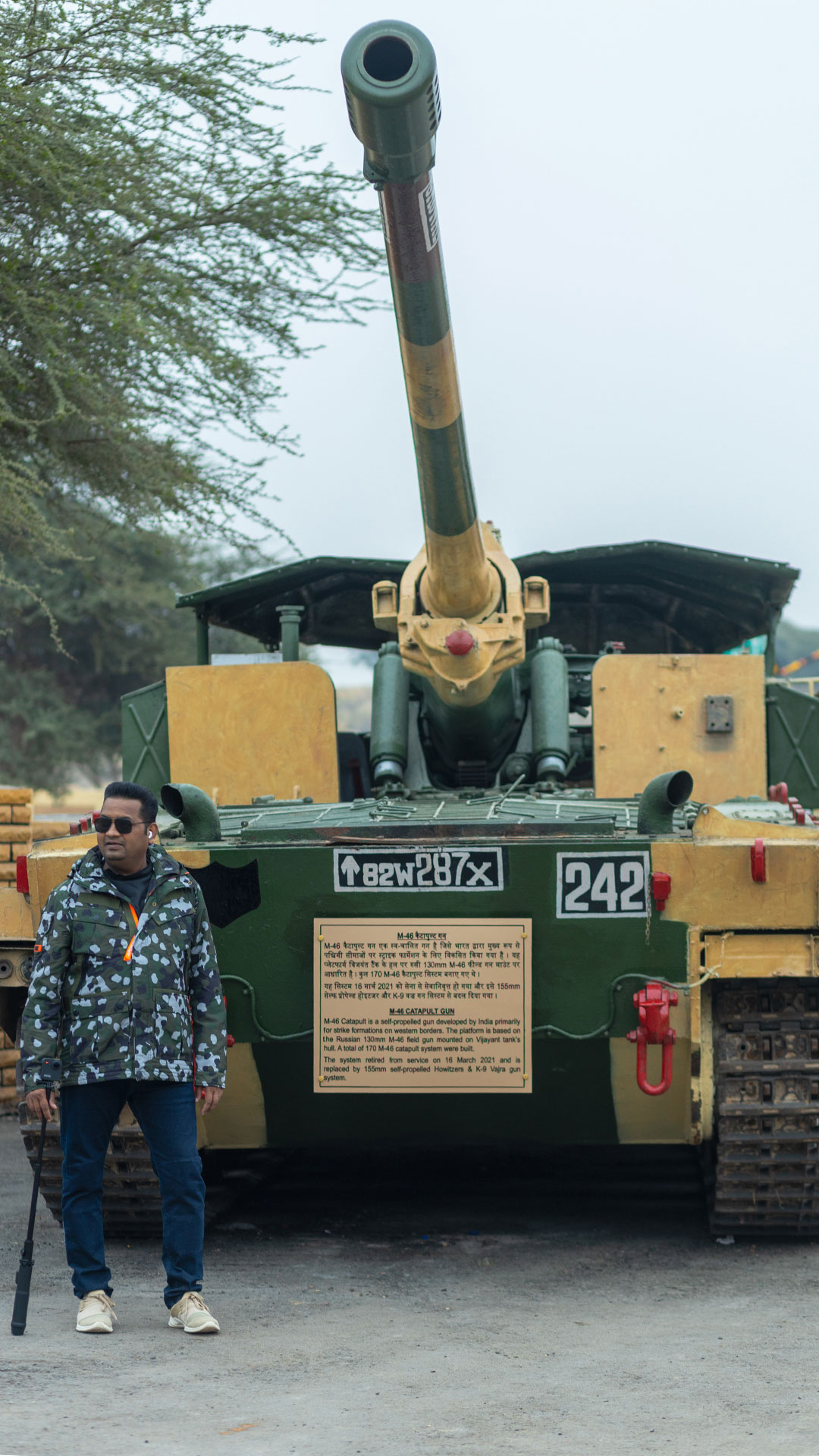
Destroyed and captured T-59 and Sherman tanks still sit where they were abandoned decades ago. No glass cases. No dramatic lighting. Just steel remains under the open sky—exactly as history left it.
Standing next to those tanks with my friends, the scale of the battle suddenly felt real. These weren’t props. These were machines meant to overwhelm—and they failed.
A Simple Wire That Changed the Battle
One of the most fascinating stories we learned was almost unbelievable.
A single barbed wire fence, originally meant to keep camels in, was mistaken by advancing enemy forces as a minefield. That hesitation stalled their movement just long enough—buying precious time for the Indian defenders.
It’s a powerful reminder that war is fought not just with weapons, but with perception, intelligence, and nerve.
Minimal Loss. Maximum Impact.
In what is considered one of the most lopsided victories in modern military history:
- India lost only two soldiers during the primary defence
- The opposing forces suffered around 200 casualties
- Over 36 tanks were destroyed or abandoned
Numbers rarely tell emotional stories—but here, they underline the scale of bravery.
Inside the Bunker: Reliving the Night
The memorial also houses a bunker-style audio-visual theatre, where a 20-minute documentary plays for a nominal fee (₹40–50).
Watching it inside a bunker, surrounded by thick concrete walls, hits differently. The narration, visuals, and original battle details make you feel like an observer of history—not a tourist.
Border, Belief, and the Road Ahead
Located roughly 110–124 km from Jaisalmer, the journey itself is part of the experience. Public transport is limited, so most visitors drive or hire private taxis.
Just 15 km from the international border, the memorial reminds you how close peace and conflict can coexist.
Nearby lies Tanot Mata Temple, a sacred site that famously remained untouched despite hundreds of bombs during the 1965 and 1971 wars—many of which are still displayed there today.

Walking Away Changed
As we posed for photos—smiling, reflective, quiet—I realised something.
This trip wasn’t about capturing memories for social media.
It was about standing where fear was conquered by faith.
Longewala doesn’t shout patriotism.
It earns your respect.
If you ever find yourself in Rajasthan, take the longer road. Stand in the desert wind. Look at those tanks. Walk into that bunker.
And ask yourself:
Would I have stood my ground when history demanded it?
Because at Longewala, 120 men did—and changed the course of a war.