
From Cash to Clicks: India’s UPI Journey and the Experience Behind It
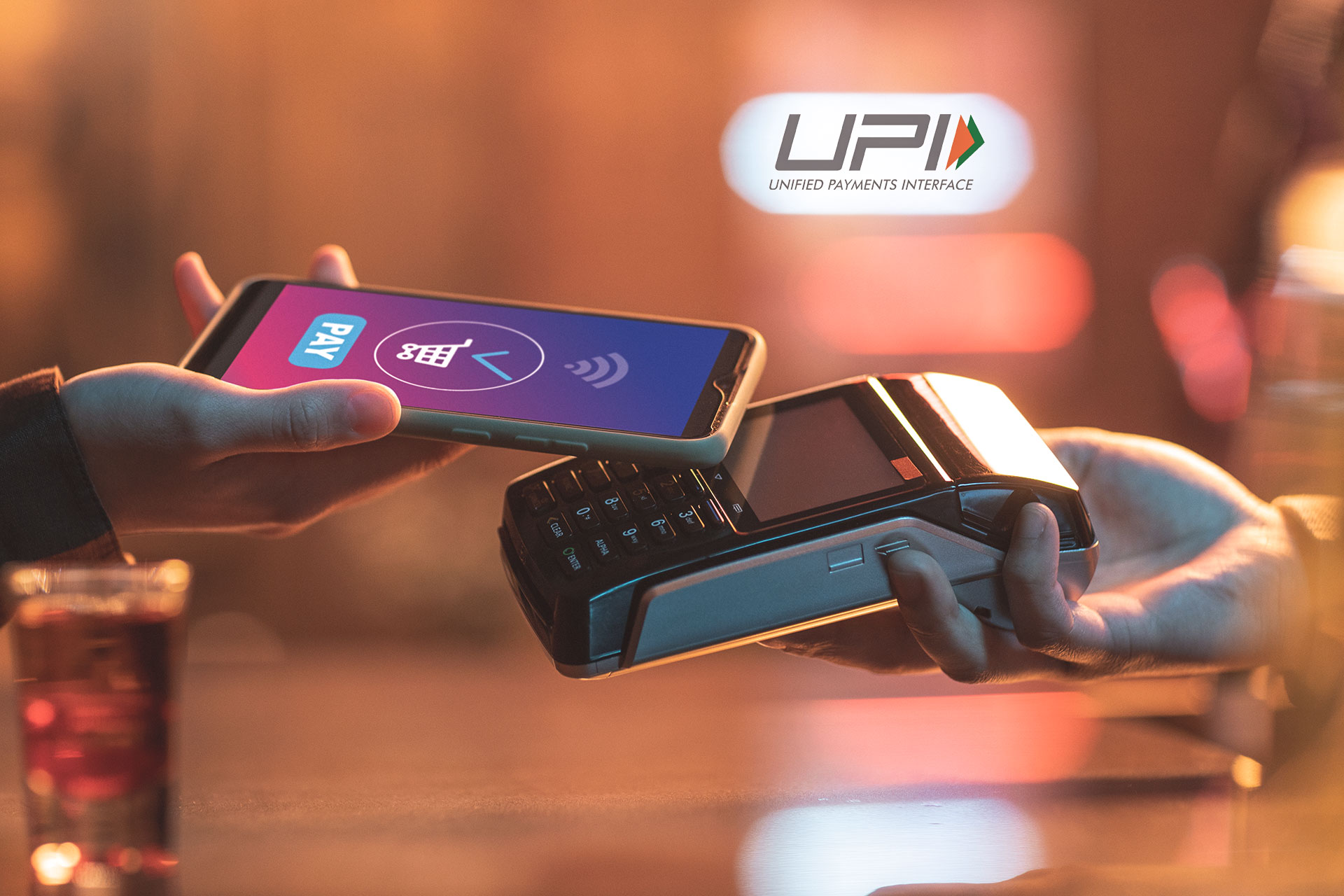
There was a time when paying in India meant counting notes, waiting for change, or trusting someone to remember an IOU. Fast forward to today, and a simple scan, tap, or voice prompt moves money instantly. That quiet revolution has a name — UPI.
India’s Unified Payments Interface isn’t just a payment system. It’s a behavioural shift. A design success story. And from where I’ve seen it up close, it’s also a masterclass in user-centric innovation.
The UPI Moment: When Payments Became Invisible
UPI changed one fundamental thing: payments stopped feeling like a task.
No IFSC codes.
No waiting for confirmations.
No dependency on wallets.
Money started moving as easily as messages.
While collaborating on the development of the HSBC India Mobile X App (Android & iOS), I had the opportunity to deep-dive into this ecosystem. My role went far beyond screens and flows. I conducted in-depth research on real user behaviours — first-time users, power users, merchants, and even those hesitant to trust digital money.
The outcome?
- 15+ end-to-end UPI user journeys
- Covering onboarding, payments, failures, reversals, mandates, and trust-building moments
- Designed to feel simple, safe, and human
That experience reinforced one truth: UPI works because it respects how people think, not how systems work.
Key UPI Features — A Clear Comparison
| Feature | UPI | Traditional Banking | Digital Wallets |
| Real-time payments | ✅ Yes | ❌ Often delayed | ✅ Mostly |
| Works across banks | ✅ Yes | ❌ No | ❌ Limited |
| QR-based payments | ✅ Native | ❌ No | ✅ Yes |
| Needs wallet top-up | ❌ No | ❌ No | ✅ Yes |
| 24×7 availability | ✅ Yes | ❌ Limited | ✅ Yes |
| Direct bank account link | ✅ Yes | ✅ Yes | ❌ No |
| Merchant acceptance | ✅ Massive | ❌ Limited | ⚠️ Moderate |
The Power of “Scan & Pay”
Scanning a QR code might feel ordinary now, but it’s one of UPI’s most powerful design decisions.
Why?
- No typing errors
- No language barriers
- Works for street vendors and supermarkets alike
From a UX lens, QR scanning reduced cognitive load to almost zero. Point. Scan. Pay. Done.
This single interaction brought millions into the digital economy without needing tutorials.
A Truly Mobile-Ready System
UPI was born mobile-first — not adapted later.
- Lightweight apps
- Low bandwidth tolerance
- Works even on budget smartphones
- Seamless Android & iOS experiences
During HSBC Mobile X development, this philosophy guided every design decision. Every screen had to load fast. Every action had to feel reassuring. Because when money is involved, confidence is part of the interface.

The UPI Ecosystem
UPI thrives because of collaboration:
- Banks – Account providers and trust anchors
- Apps – Google Pay, PhonePe, Paytm, BHIM, and bank apps
- Merchants – From kirana stores to global brands
- Users – Individuals, families, small businesses
- Regulators – Ensuring scale with safety
This ecosystem works because it’s open, interoperable, and experience-led.
Pros and Cons of UPI
| Pros of UPI | Cons of UPI |
| Instant money transfer | Fraud attempts are increasing |
| No dependency on cash or cards | Dependency on internet connectivity |
| Free or low-cost transactions | Occasional downtime during peak loads |
| Works across banks and apps | User confusion around “collect requests” |
| Inclusive — urban to rural adoption | Over-trust in unknown payment links |
| Strong authentication layers |
How to Detect and Avoid UPI Fraud
UPI fraud usually exploits human behaviour, not technology.
Watch out for:
- Requests asking you to approve to receive money
- Unknown QR codes sent via WhatsApp or SMS
- Urgency-based messages (“account will be blocked”)
- Screen-sharing requests from “support executives”
Golden rule:
To receive money, you never need to approve or enter a PIN.
Good UX must be paired with continuous user education — something the ecosystem is still evolving.
What UPI Really Teaches Us
UPI’s success isn’t accidental.
It proves that:
- Simplicity scales
- Trust is designed, not assumed
- Local context beats global templates
- Great UX can change national behaviour
Working on UPI journeys for HSBC reinforced my belief that the best products disappear into daily life. When technology fades into the background, impact takes centre stage.
UPI isn’t just India’s payment story.
It’s India’s design story.Have you noticed how rarely you think about how you pay anymore? That’s not convenience — that’s thoughtful experience design at work.