
Smart Scanning Solutions & SGS D-TECT

Redesigning a Mission-Critical Border Security System for Cargo Image Analysis Solution For Ports & Customs
Executive Summary
Business problem
SGS operates a mission-critical cargo scanning platform used by border authorities to inspect containers and vehicles for illegal and regulated goods. The legacy WPF-based application had grown functionally dense over time, resulting in fragmented workflows, high cognitive load for inspectors, and limited scalability to support AI-assisted detection and increasing parcel volumes.
Strategic UX opportunity
The opportunity was not visual modernisation alone—but to re-architect decision-making workflows, improve inspection accuracy, and prepare the platform for automation, AI-assisted adjudication, and cross-device usage while maintaining strict regulatory compliance.
My role & leadership
I led UX strategy and design end-to-end, acting as the bridge between operations, compliance, engineering, and AI teams. I owned experience vision, research direction, prioritisation decisions, and design validation—beyond screen-level execution.
High-level impact
- Reduced inspection friction and navigation complexity
- Improved clarity and confidence in image-based adjudication
- Enabled future AI-driven detection workflows
- Established a scalable, enterprise-grade design foundation across regions and languages
Business Problem & Market Context
Border security inspection systems operate under extreme constraints:
- High-risk, high-consequence decisions
- Strict legal and regulatory mandates
- Increasing cargo and parcel volumes
- Diverse user maturity across geographies
The existing D-Tech application:
- Was desktop-heavy and visually dense
- Required inspectors to mentally stitch together data across multiple modules
- Offered limited support for prioritisation, alerts, or anomaly recognition
- Was not optimised for AI-assisted workflows or multi-device expansion
From a business perspective, this directly impacted:
- Operational throughput
- Accuracy of risk adjudication
- Adoption of advanced scanning and AI capabilities
- Perceived value of SGS as a strategic technology partner to governments
UX Strategy & Design Vision
Product vision
Create a decision-centric inspection platform that enables inspectors to move faster without sacrificing accuracy, while giving supervisors and authorities greater visibility, control, and trust.
Experience principles
- Clarity over density – reduce cognitive load in high-risk contexts
- Workflow before features – align UX to real inspection behaviour
- Explainability over automation – AI must support, not replace, human judgment
- Enterprise scalability – multi-site, multi-language, multi-device by default
Success metrics
- Reduced the time to adjudicate a scan
- Fewer navigation steps per inspection task
- Improved inspector confidence (qualitative)
- Increased adoption of advanced scanning features
- Readiness for AI-assisted detection rollouts
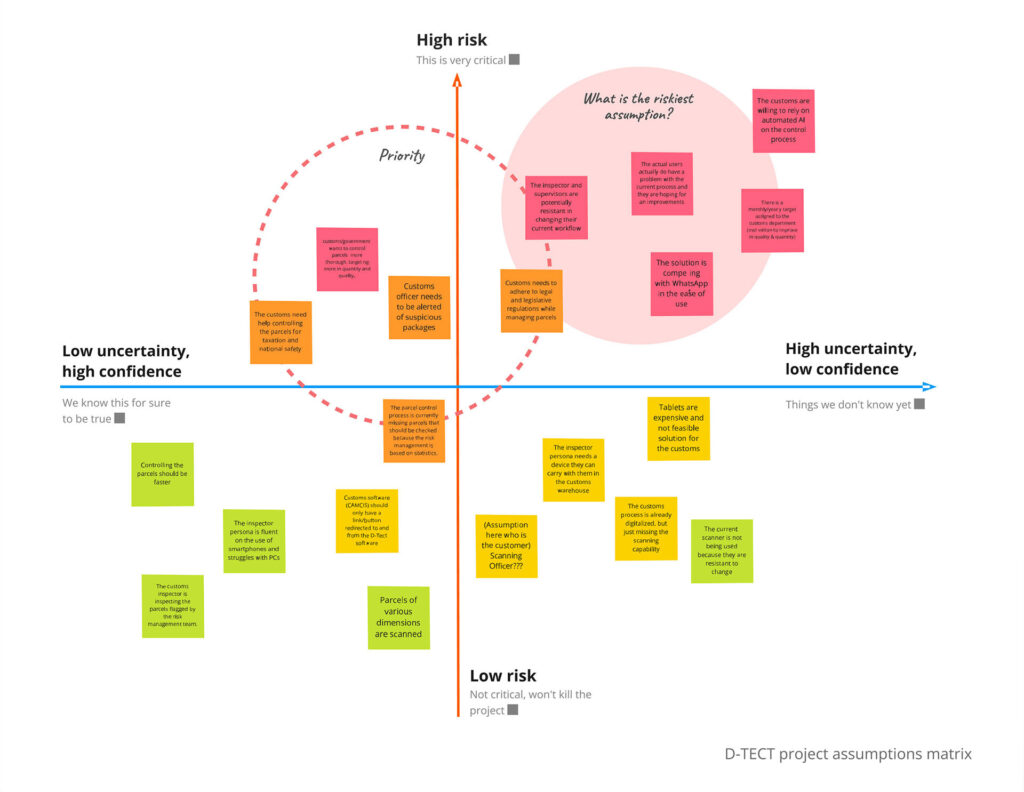
Key assumptions & hypotheses
- Inspectors trust systems that explain risk, not just flag it
- Resistance to change is driven by workflow disruption, not technology fear
- Faster decisions come from better prioritisation, not more data
- AI adoption depends on transparency and ease of override
These assumptions were explicitly mapped and prioritised using a risk vs. uncertainty matrix to focus validation efforts where failure would be most costly.
User Research & Insights
Research methods
- Contextual interviews with inspectors and supervisors
- Task-based evaluations of the existing system
- Workflow walkthroughs using real inspection scenarios
- Assumption validation workshops with SMEs and operations leads
Key user groups
- Scanning Inspectors – frontline decision-makers under time pressure
- Supervisors – oversight, escalation, and performance monitoring
- Operations & Compliance Managers – system governance and reporting
Critical insights
- Inspectors relied heavily on pattern recognition developed over the years, not system guidance
- Image analysis required frequent context switching between views, metadata, and declarations
- Alerts lacked prioritisation, leading to manual triage
- Language and digital fluency varied significantly by region
These insights fundamentally shaped information architecture, alerting logic, and interaction design.
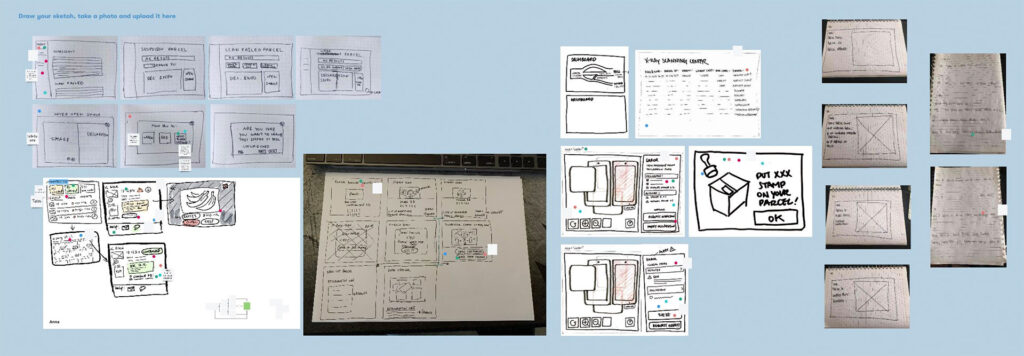
Experience Architecture & Journey Design
Journey highlights
The redesigned journey focused on:
- Entry through priority-driven dashboards
- Clear separation between scan review, declaration data, and actions
- Reduced back-and-forth navigation during adjudication
Key friction points addressed
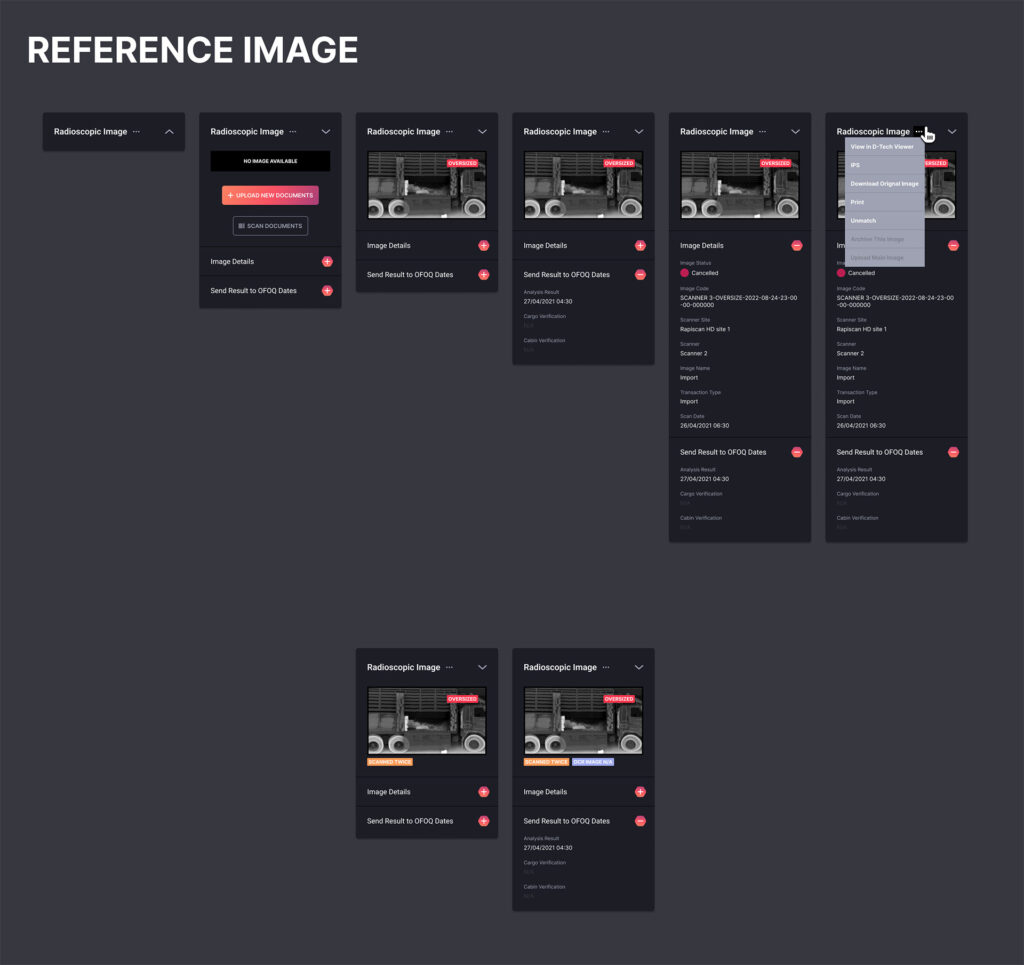
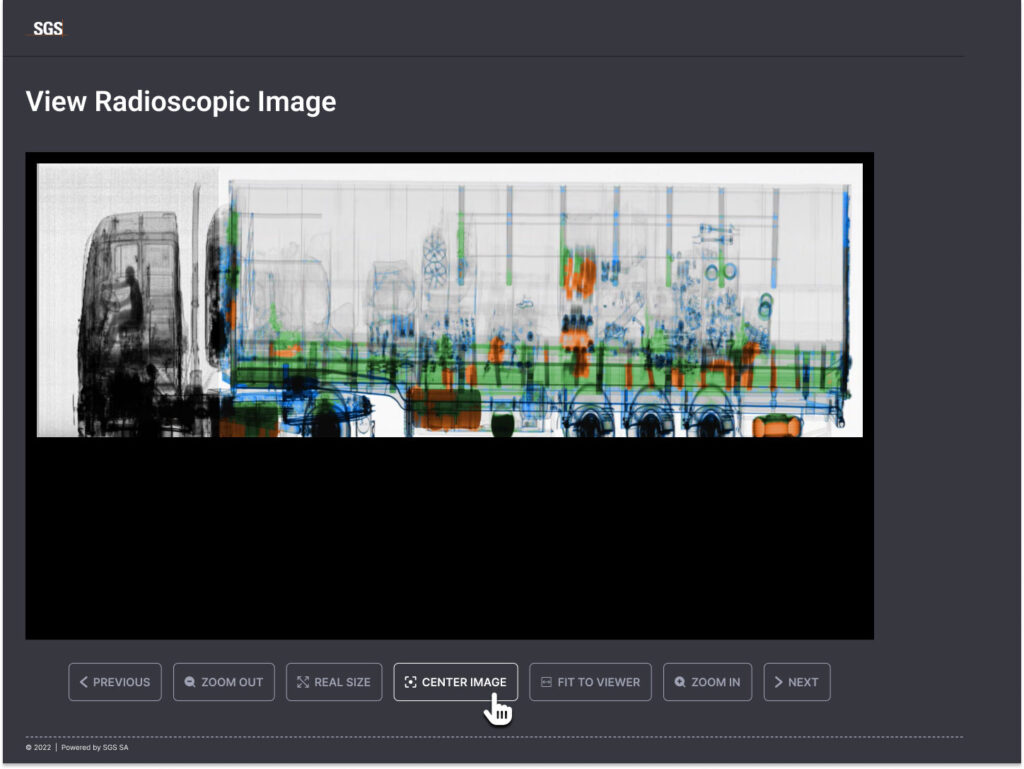
- Fragmented image review workflows
- Overloaded dashboards without an actionable hierarchy
- Deep, nested navigation paths
- Inconsistent mental models across modules
Information architecture decisions
- Grouped features by inspection intent, not system ownership
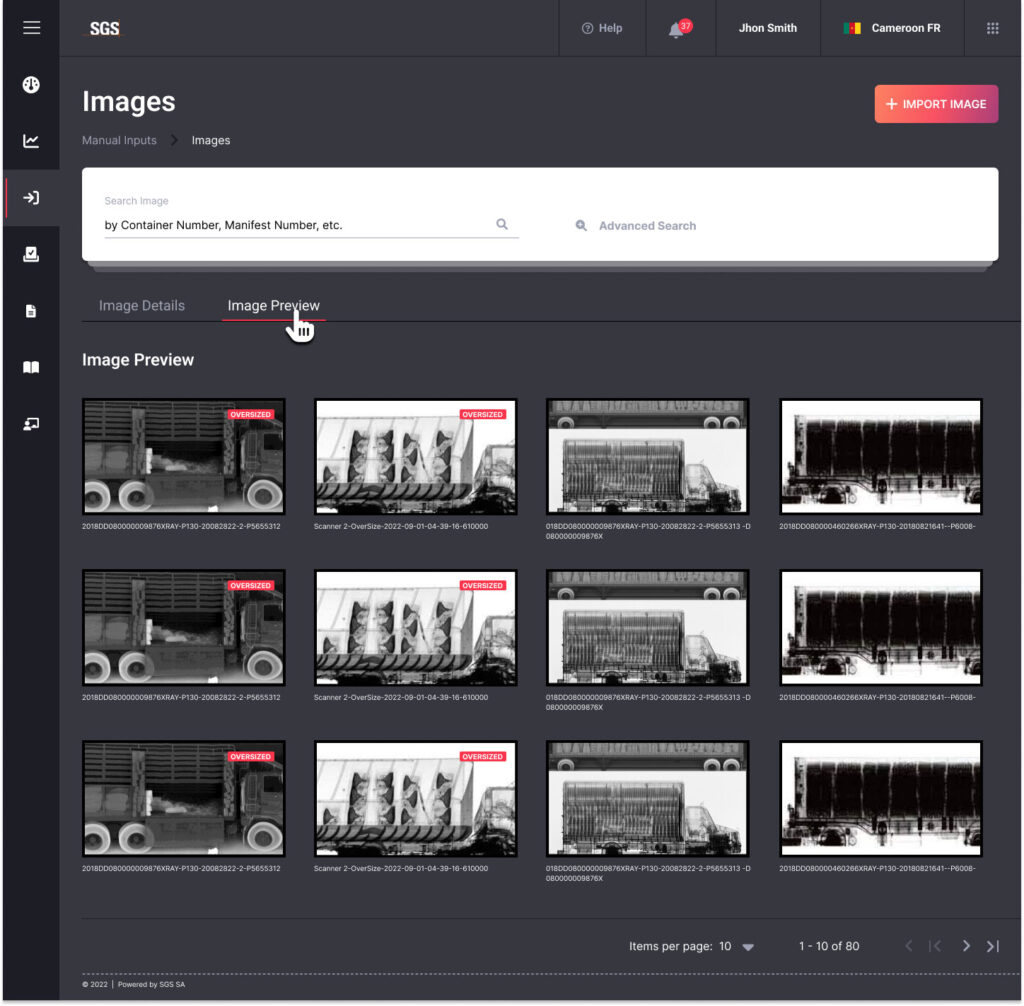
- Elevated high-risk scans through visual and structural prioritisation
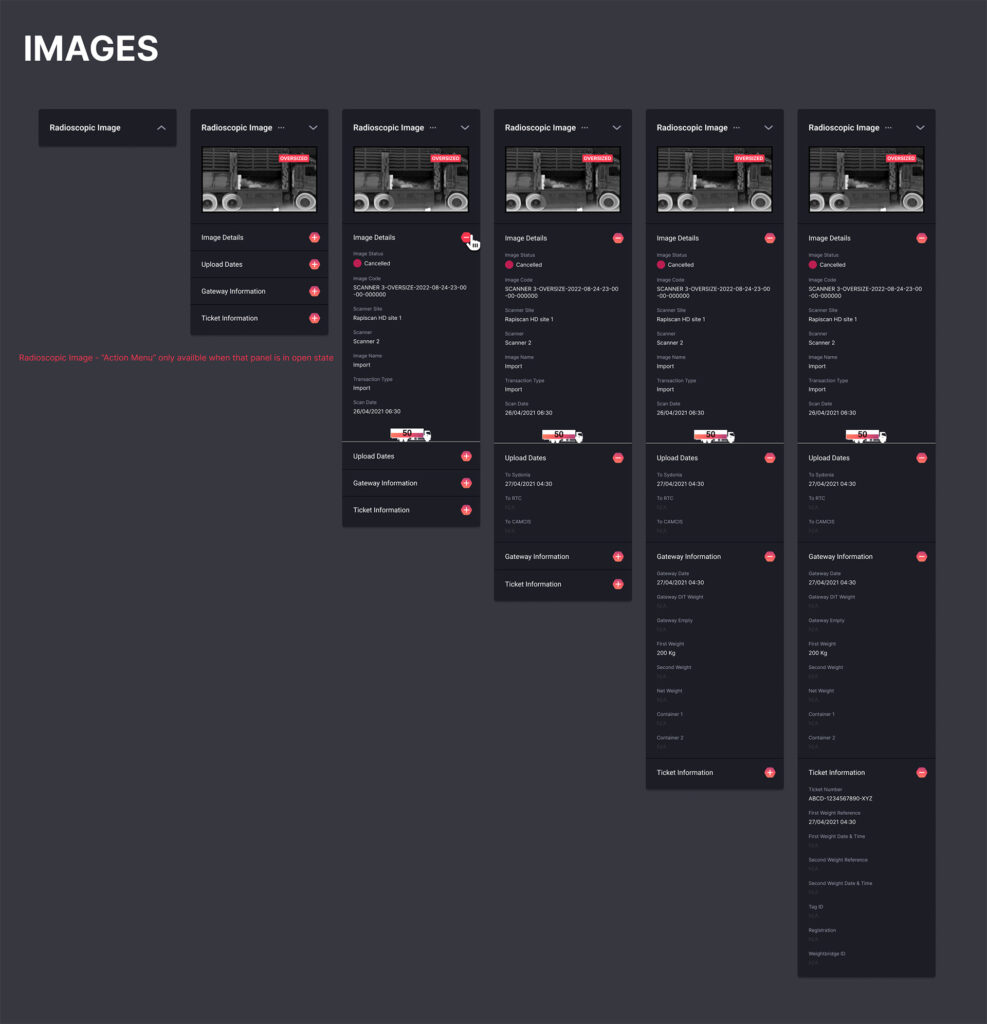
- Introduced progressive disclosure for complex datasets
Every IA decision balanced speed, safety, and explainability.

Design Execution
Interaction & visual approach
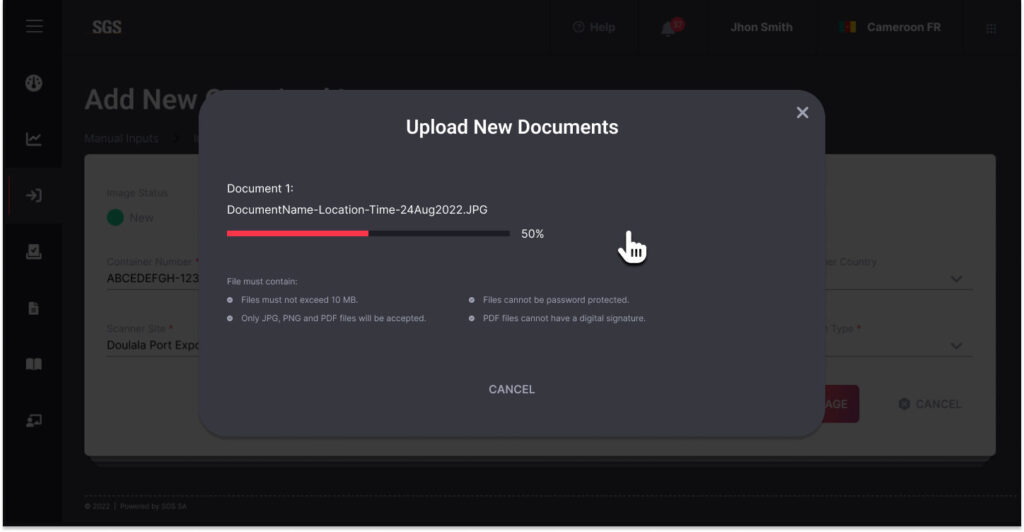
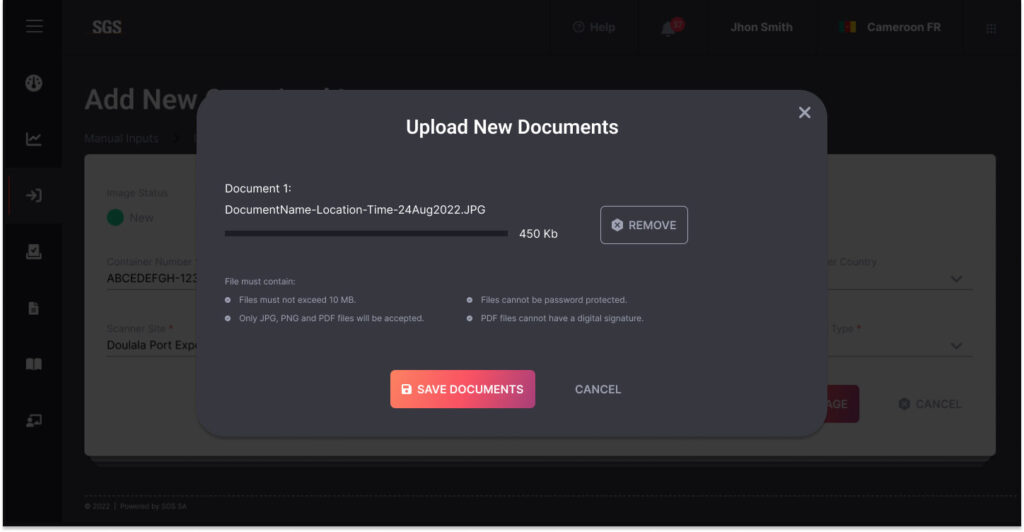
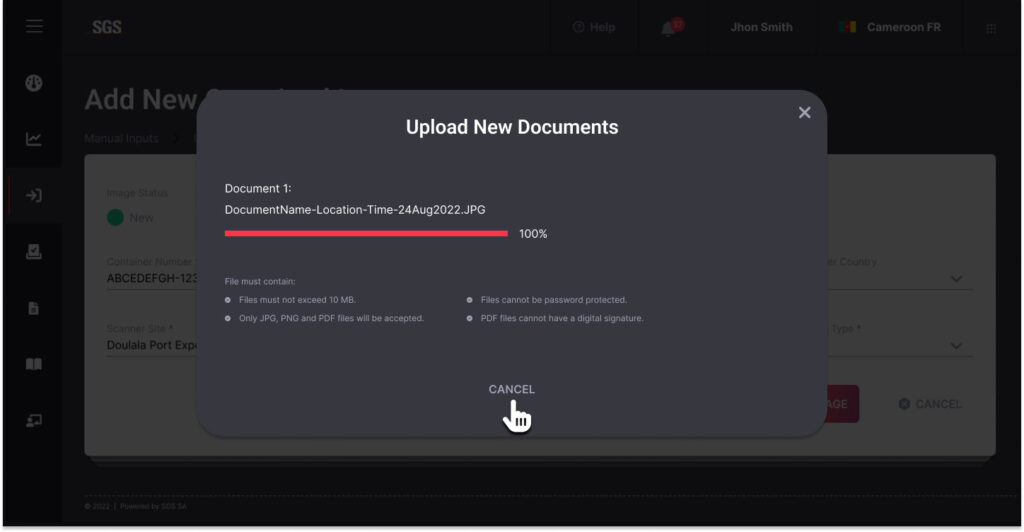
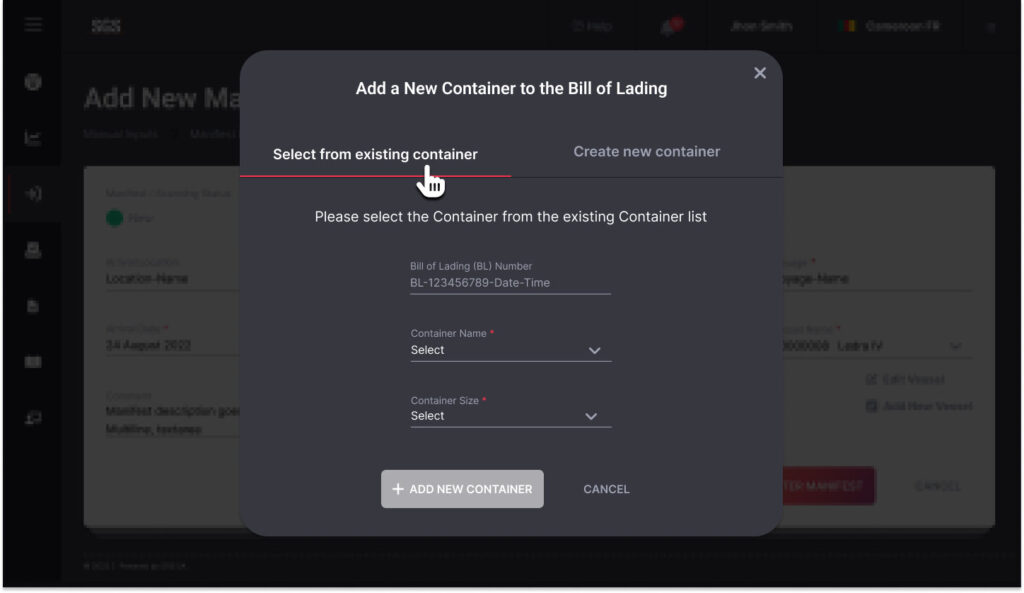
- Dark, low-glare UI optimised for prolonged image analysis
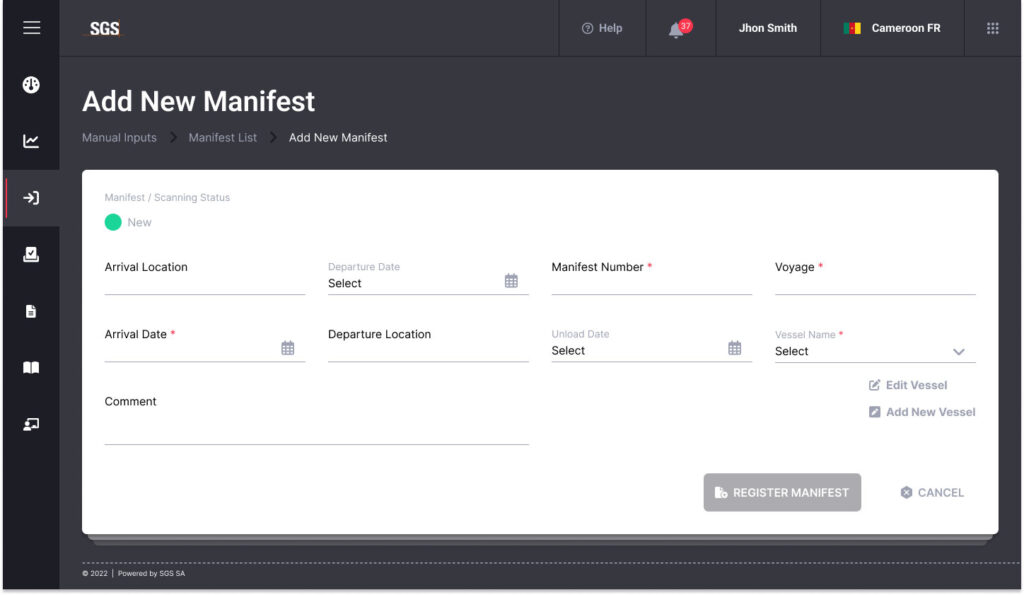
- Strong visual hierarchy to guide attention in high-risk contexts
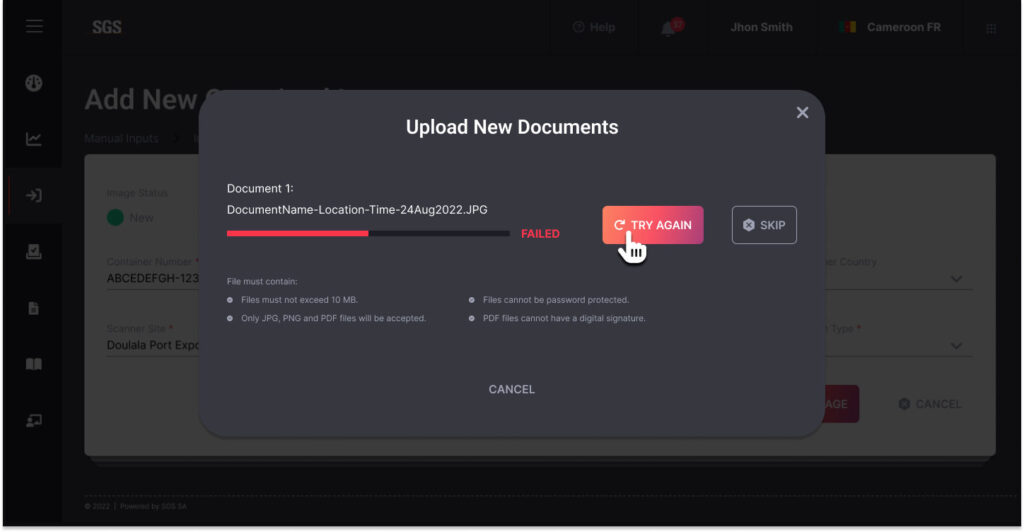
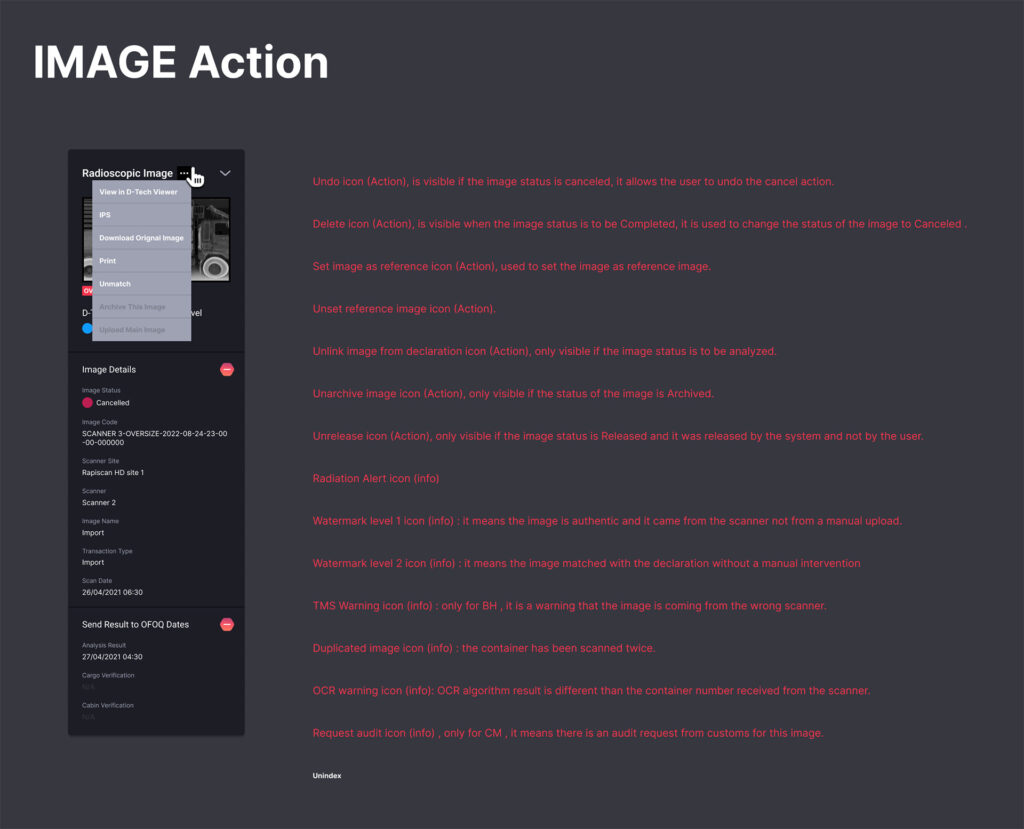
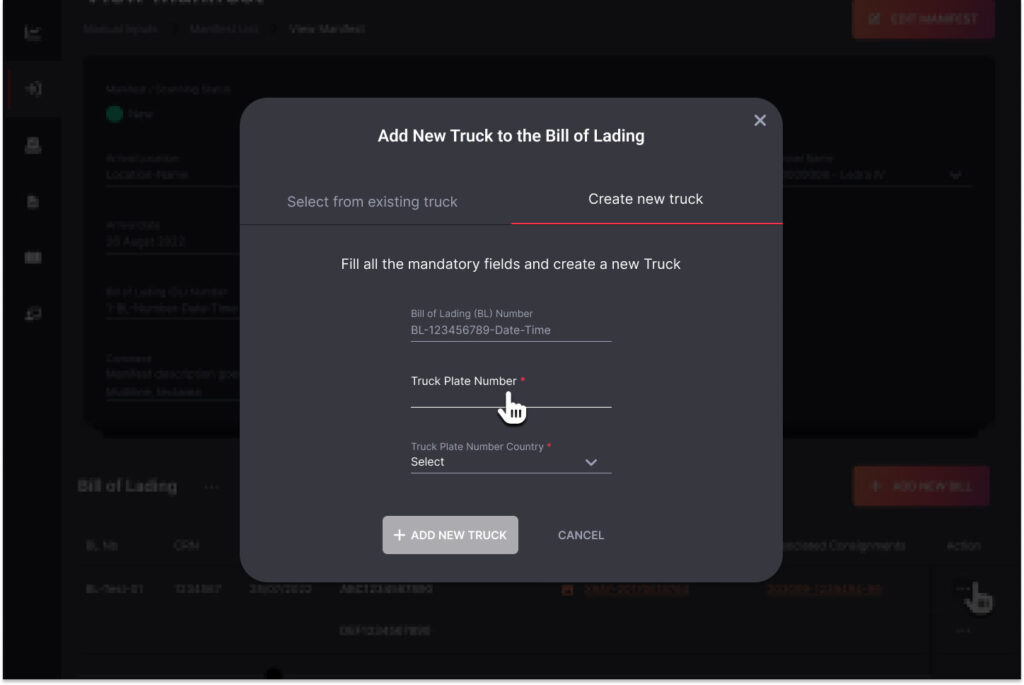
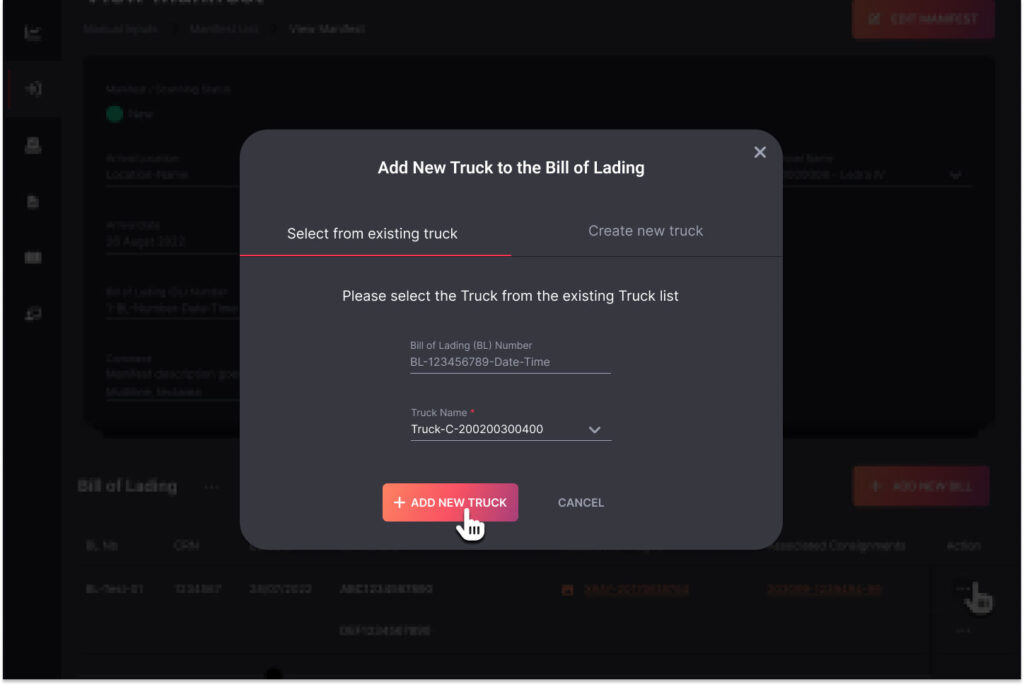
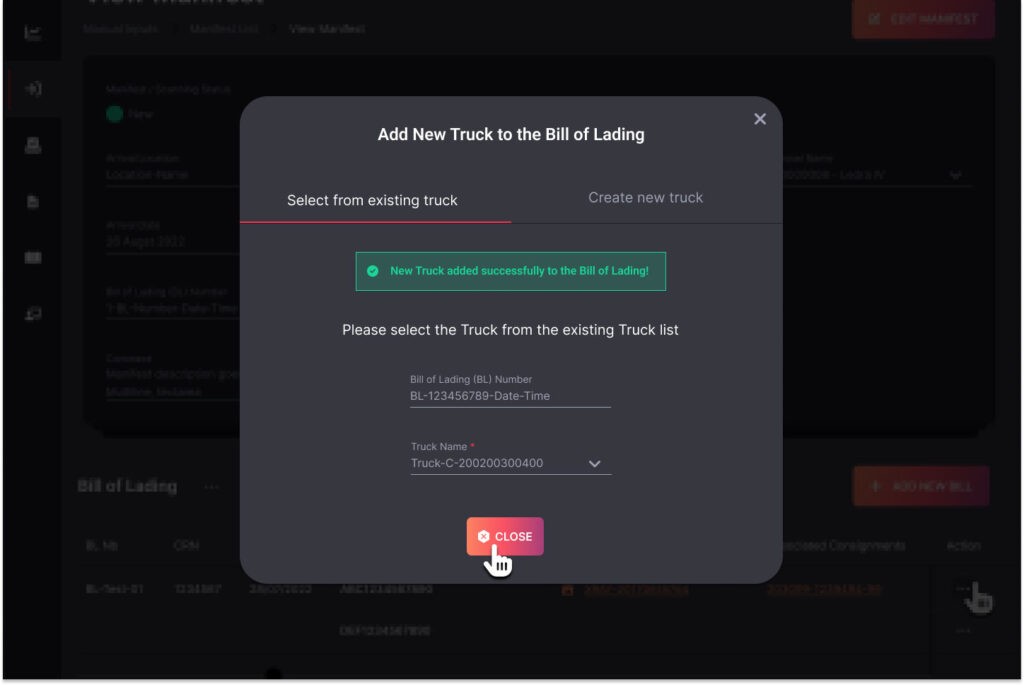
- Clear affordances for inspection, escalation, and override actions
Component & design system strategy
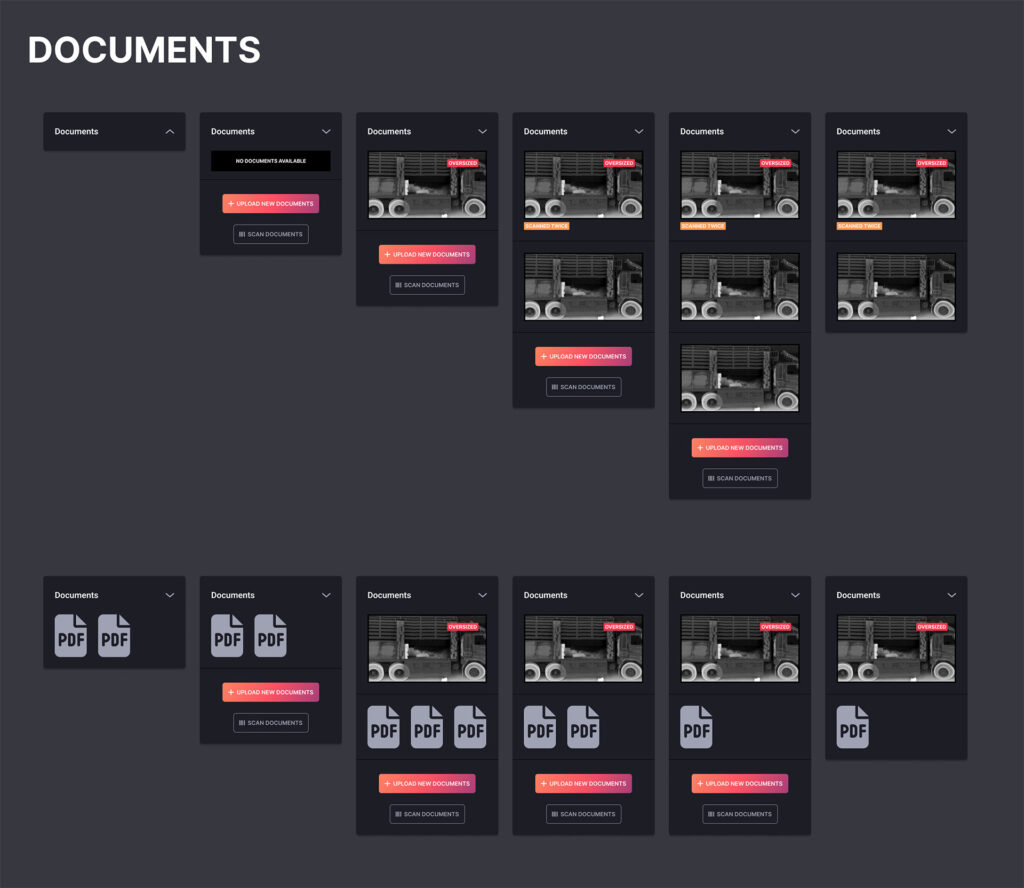
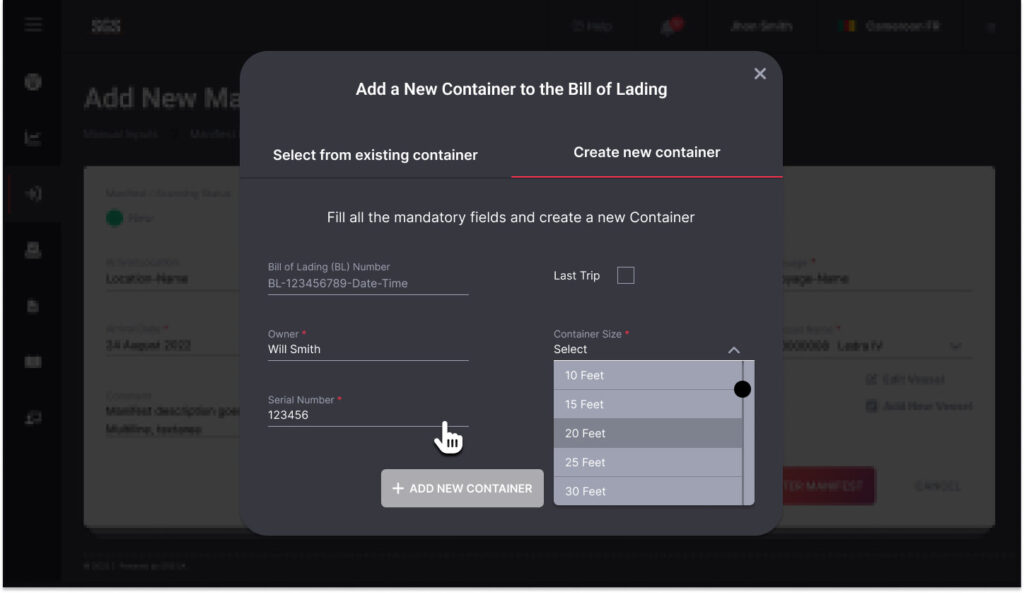
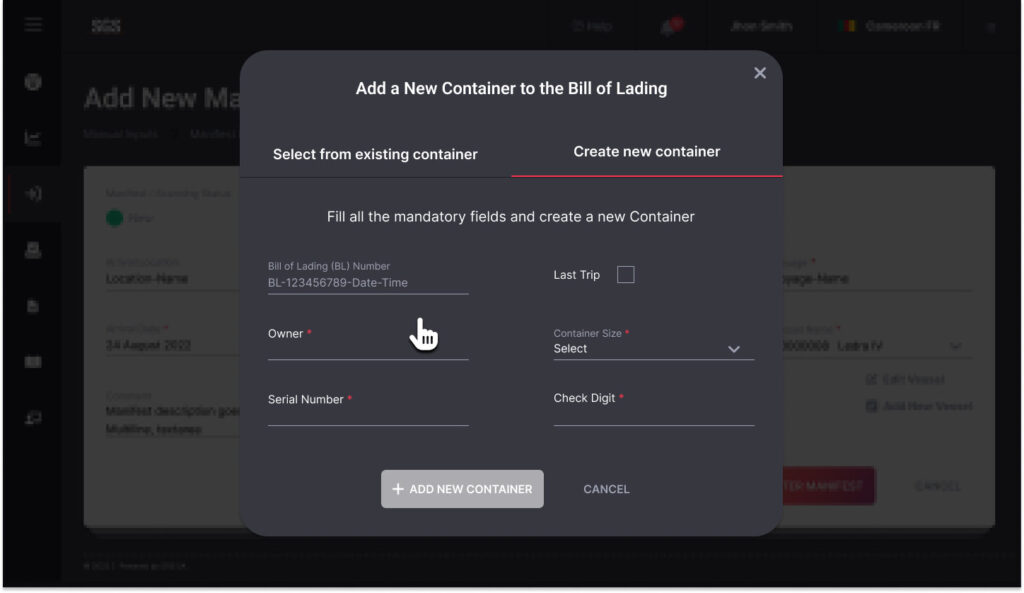
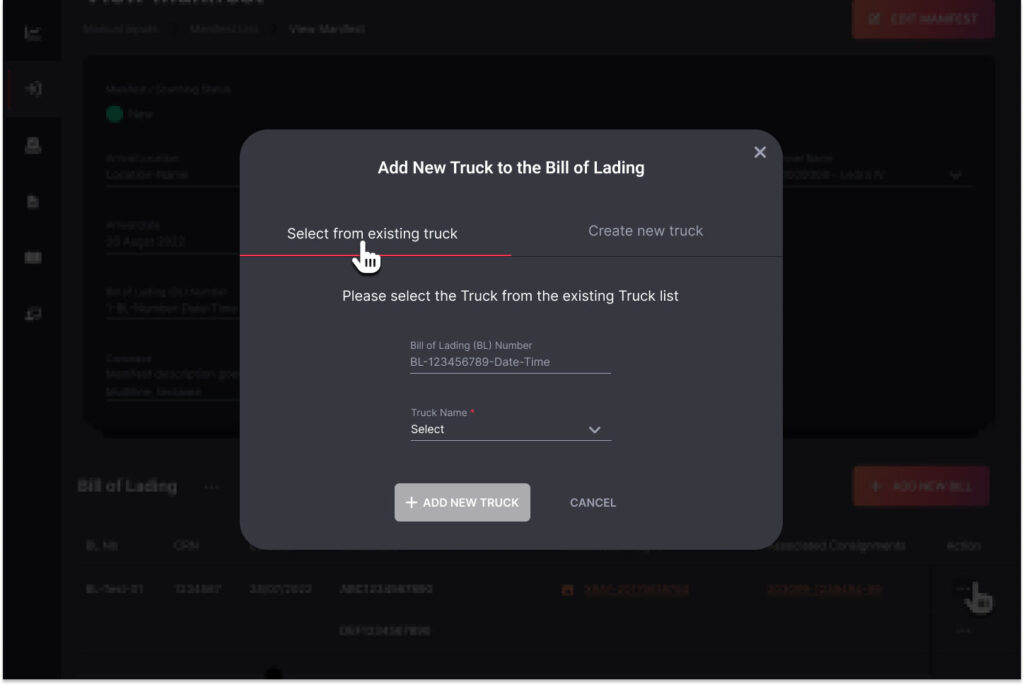
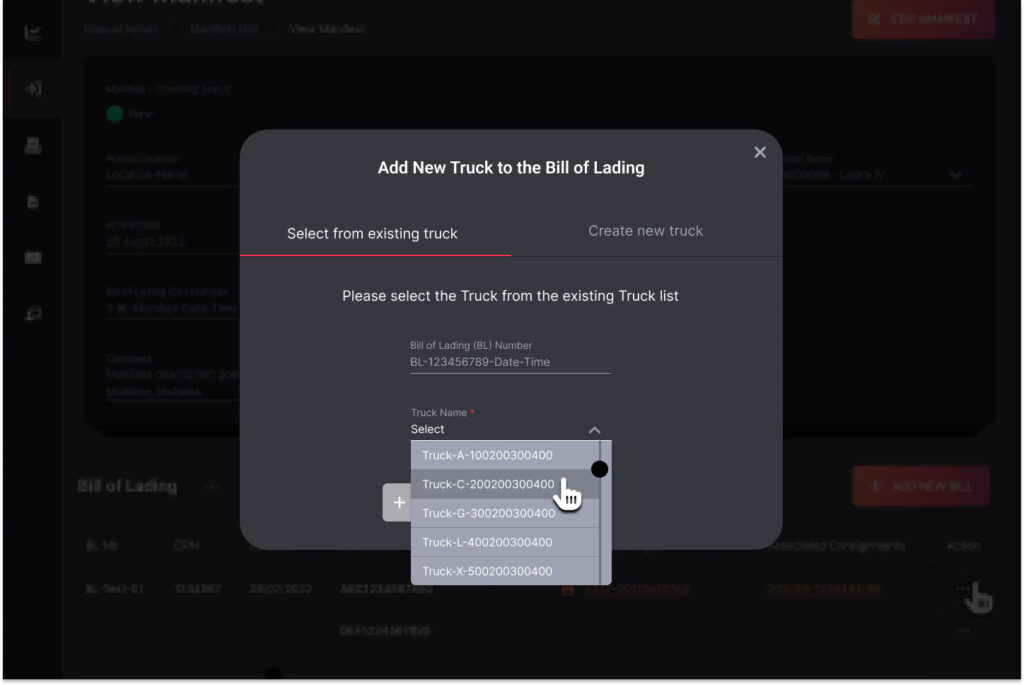
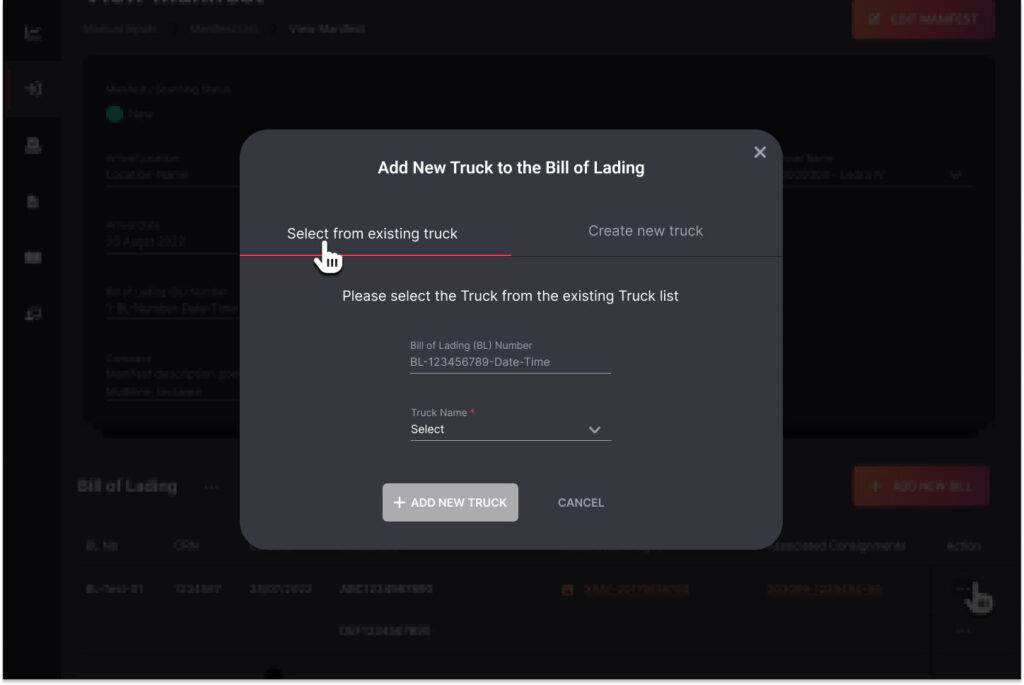
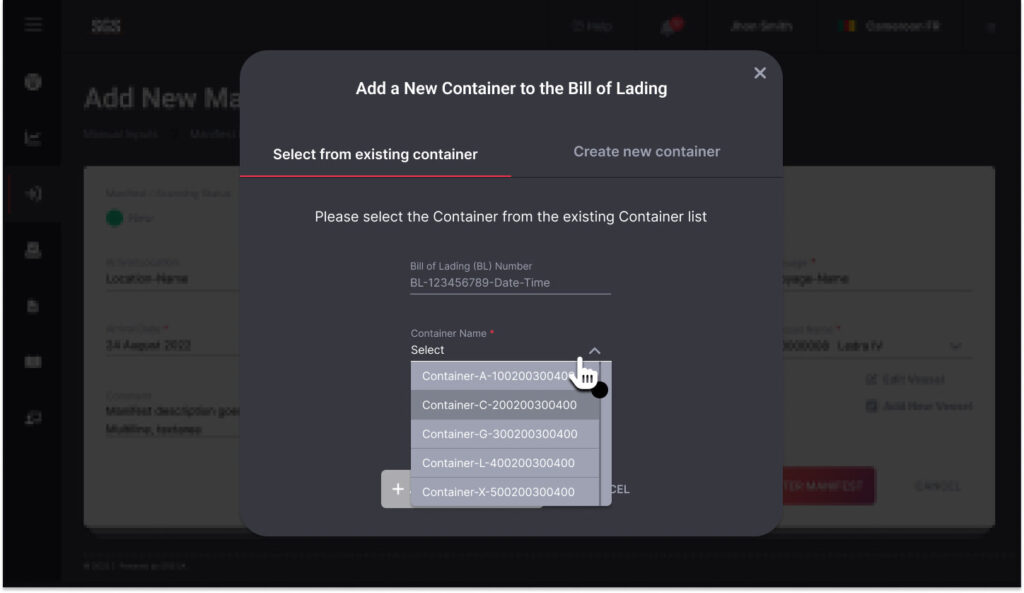
- Modular component library designed for WPF constraints
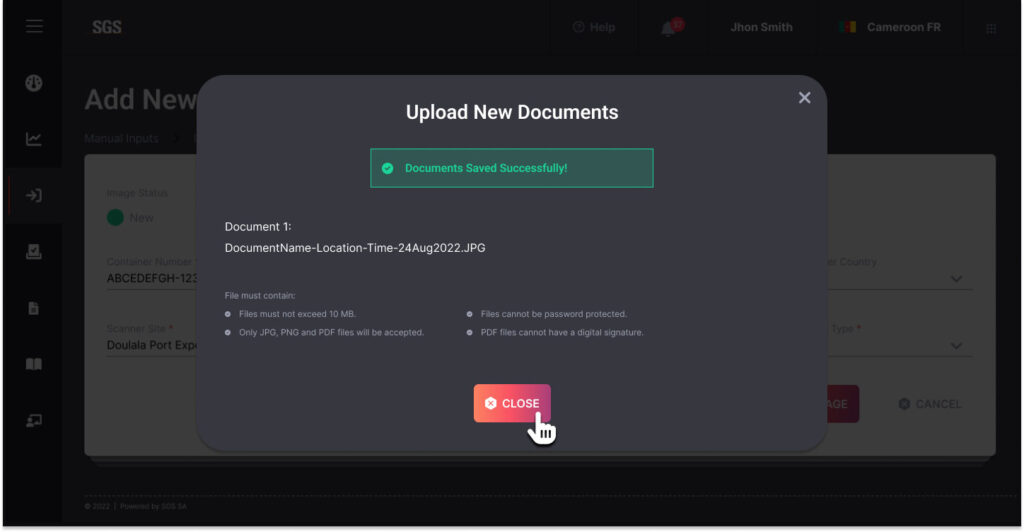
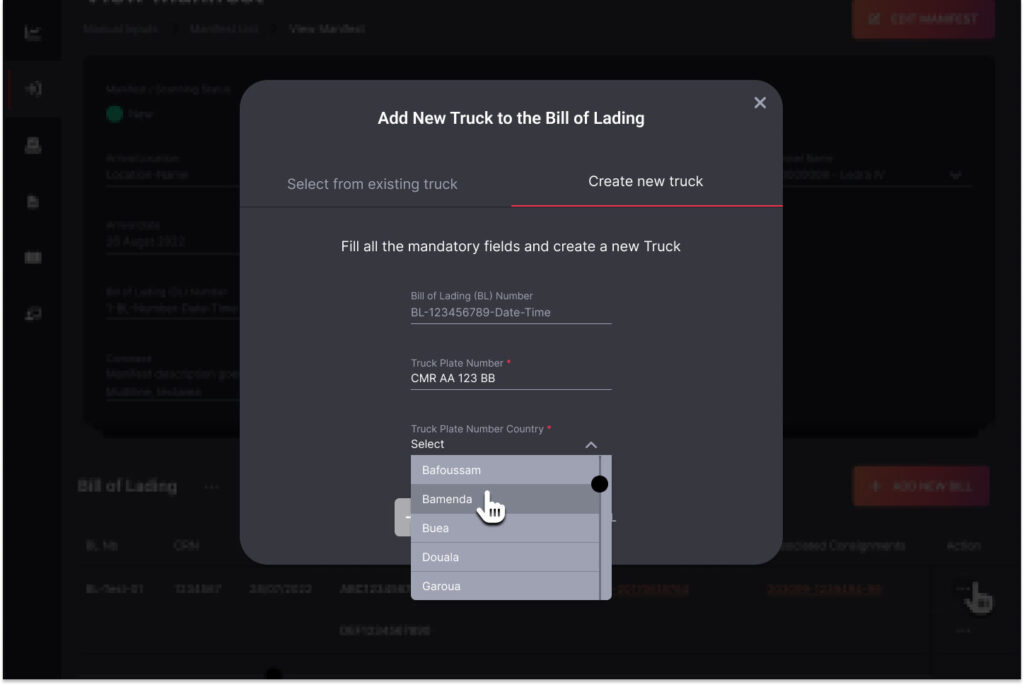
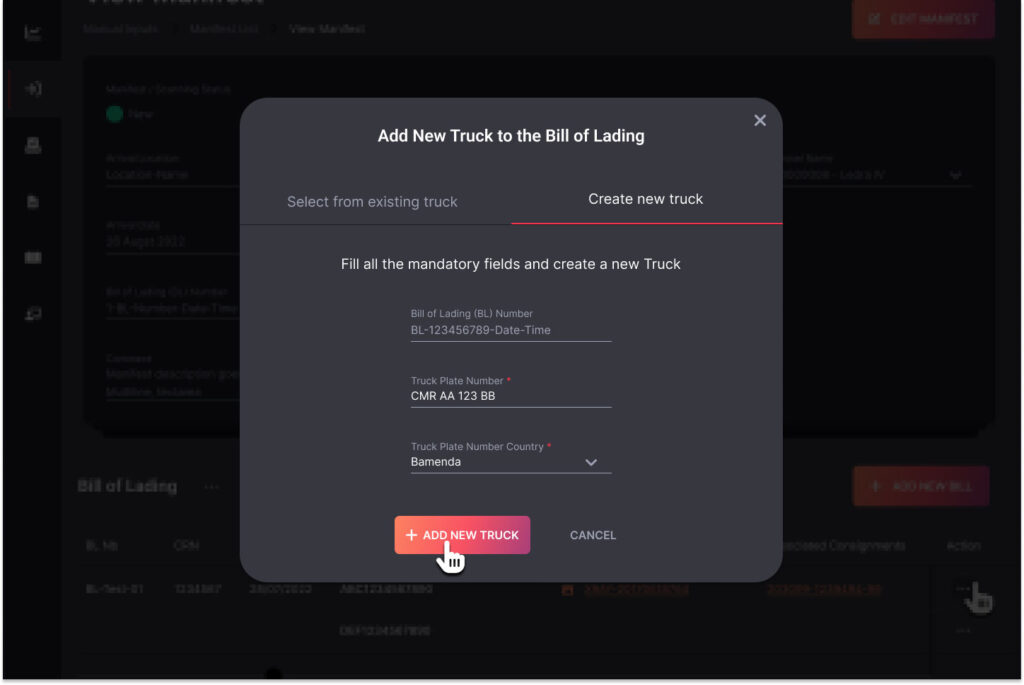
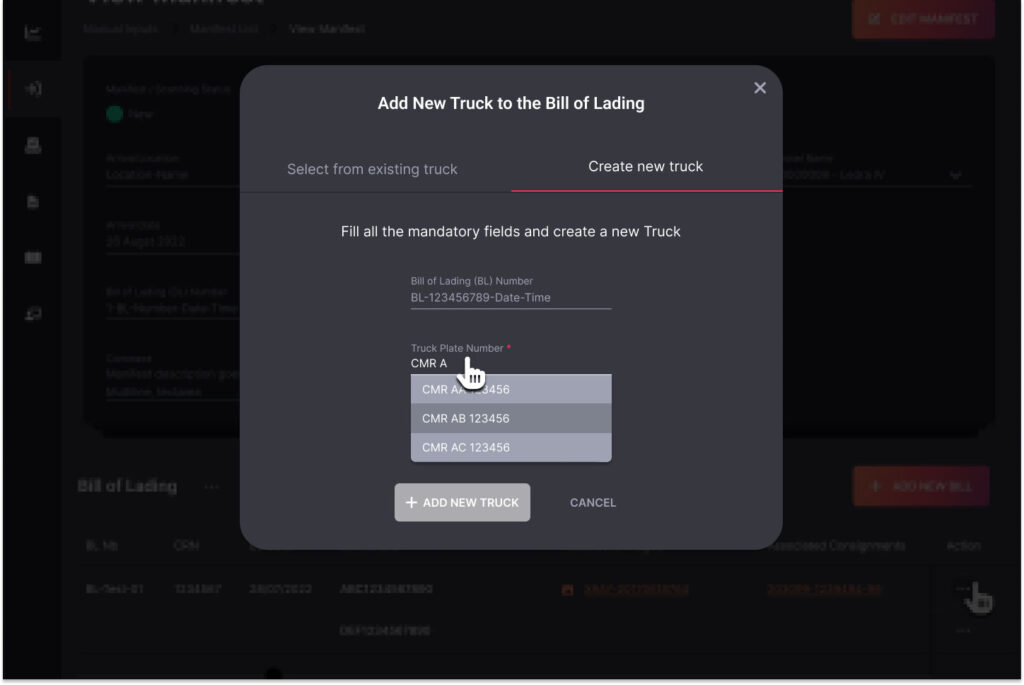
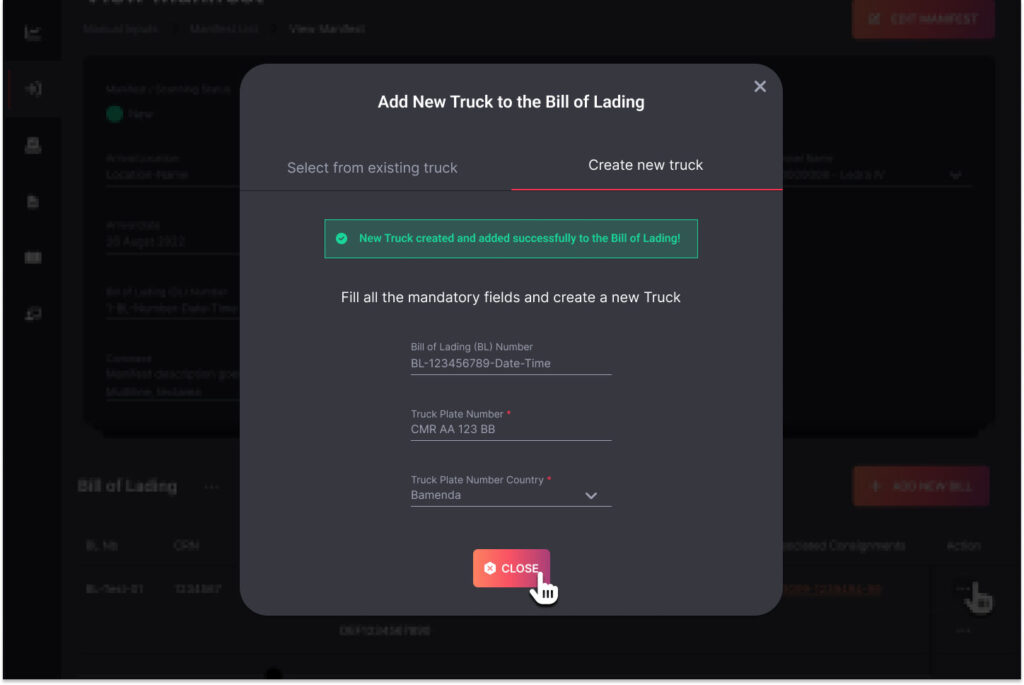
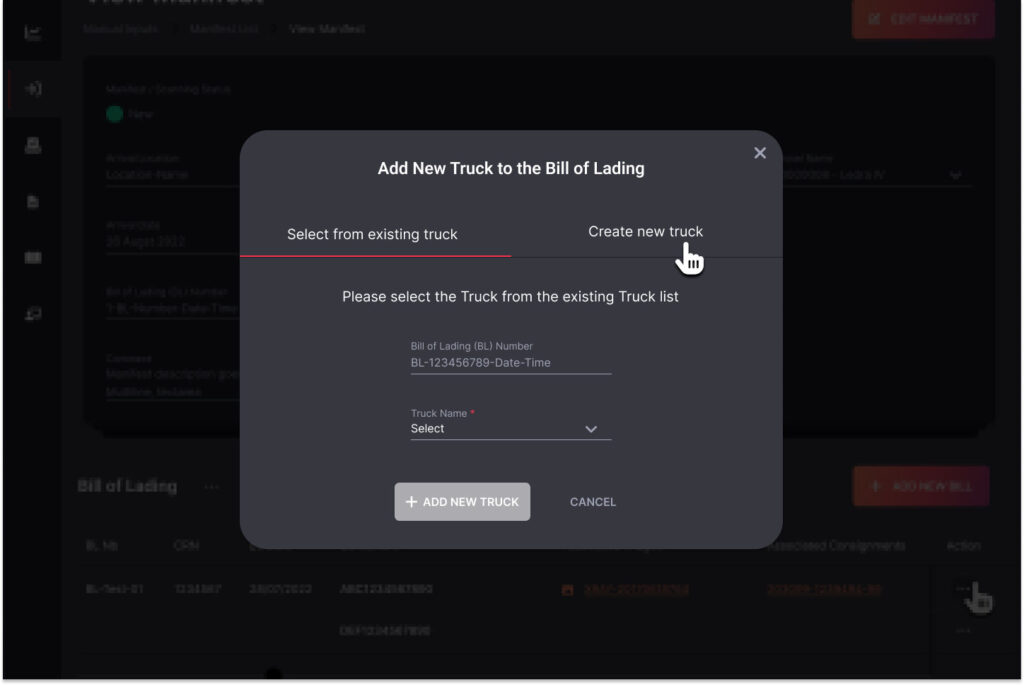
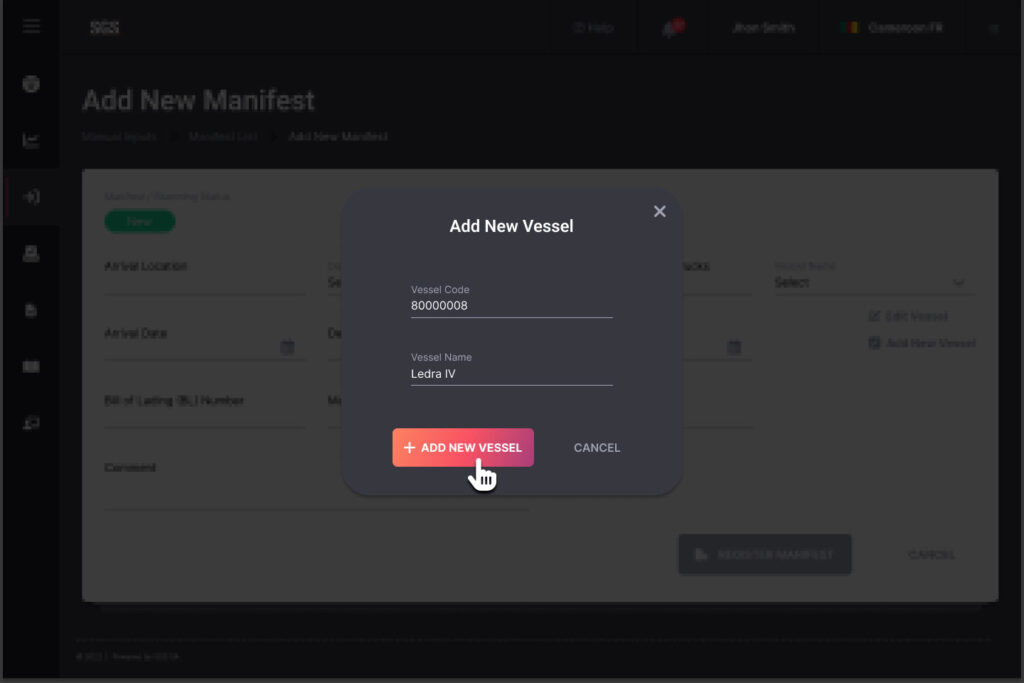
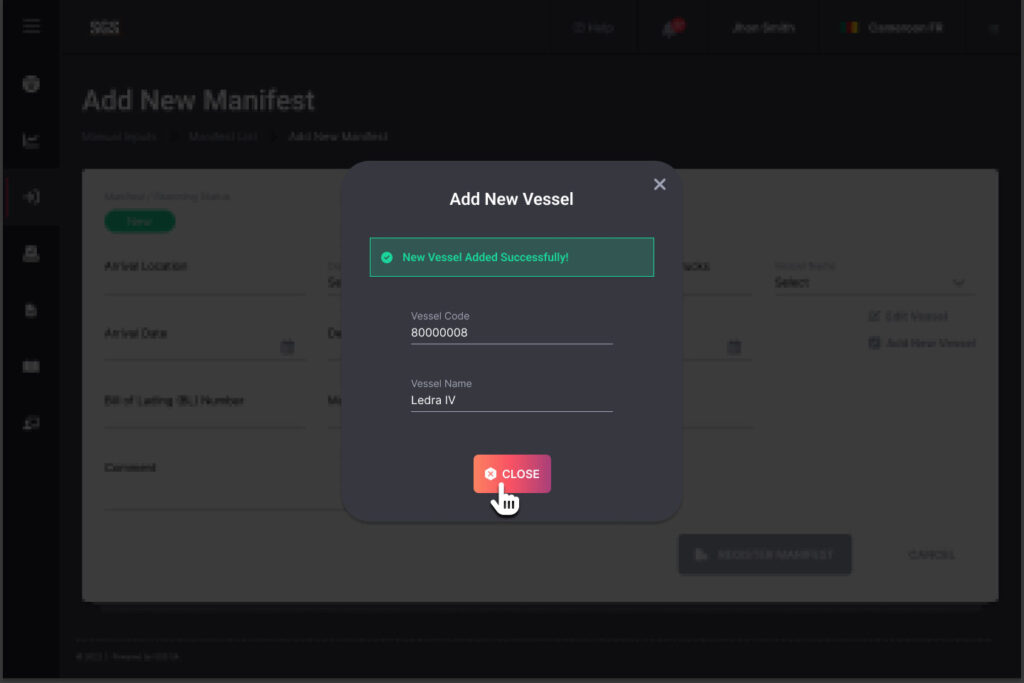
- Reusable patterns across dashboards, modals, and data tables
- Consistent behaviour across desktop, tablet, and responsive web
Accessibility & scalability
- Colour contrast optimised for scan imagery
- Language-agnostic layouts for localisation
- Designed for future mobile and tablet inspection use cases
Cross-functional collaboration
- Continuous alignment with engineering on WPF feasibility
- Close collaboration with AI teams to support explainable detection
- Regular reviews with compliance stakeholders to ensure regulatory fit
Validation & Iteration
Testing approach
- Task-based usability testing with inspectors
- Scenario walkthroughs using real cargo scans
- Iterative validation of alerting, navigation, and data density
Key iteration outcomes
- Simplified decision paths for high-risk parcels
- Improved clarity in image-to-data relationships
- Reduced ambiguity in system feedback and status indicators
Design was used as a risk-mitigation tool, not just a delivery mechanism.
Business Impact & Measurable Outcomes
Quantitative outcomes
- Reduced inspection steps per task
- Faster scan review and adjudication cycles
- Improved operational readiness for AI-assisted workflows
Qualitative outcomes
- Increased inspector confidence and trust
- Clearer accountability and oversight for supervisors
- Stronger positioning of SGS as a long-term digital partner
Strategic influence
UX insights directly influenced:
- Feature prioritisation
- AI roadmap decisions
- Cross-device strategy
Leadership & Influence
- Acted as experience owner across a 14-member cross-functional team
- Facilitated alignment between global stakeholders and regional operations
- Mentored designers on enterprise UX and regulated-industry thinking
- Drove strategic conversations beyond UI into process, policy, and automation
Challenges & Trade-offs
- Balancing innovation with regulatory conservatism
- Designing for varied digital maturity across regions
- Working within WPF technical constraints while planning for future platforms
Each trade-off was explicitly documented and communicated to stakeholders.
Key Learnings & Reflection
- Trust is the core currency in regulated systems
- AI succeeds only when humans remain in control
- UX leadership is about reducing organisational uncertainty, not just user friction
This project reinforced my belief that enterprise UX is a strategic discipline, not a delivery function.
Summary
- Led UX strategy for a mission-critical border security platform
- Transformed fragmented workflows into decision-centric experiences
- Balanced compliance, AI readiness, and usability at a global scale
- Influenced product direction beyond UI execution
- Delivered measurable operational and confidence gains